
Quick Summary
Email marketing can turn one-time buyers into repeat customers by maintaining meaningful communication after the first purchase. Personalised recommendations, segmented campaigns, timely follow-ups, automated emails, exclusive offers, useful content, storytelling and loyalty rewards help customers feel recognised and give them reasons to return.
Long-term success comes from combining personalisation with trust, consistency and continuous optimisation. Tracking open rates, click-through rates and conversions, gathering customer feedback, using social proof and A/B testing campaigns helps businesses understand what resonates with their audience and strengthen customer loyalty over time.
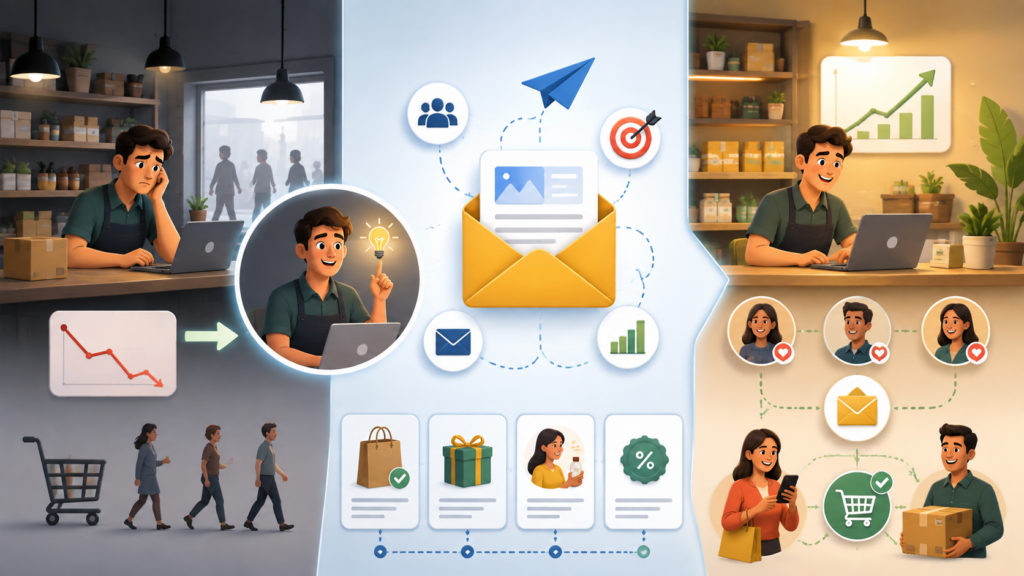
When I first opened my store, I believed that simply having good products was enough. I stocked the shelves with carefully curated items, invested in quality packaging, and even spent hours crafting an appealing store layout. Yet, despite all this effort, the initial surge of customers gradually tapered off. I realized something crucial was missing: a reliable way to keep my customers engaged beyond their first purchase. That’s when I discovered the transformative power of email marketing, and it completely changed the way my store operates.
Understanding the Value of Customer Connection
Before diving into email marketing, I underestimated the importance of maintaining a connection with my customers. I thought that once someone bought a product, they’d naturally come back if they liked it. In reality, without a gentle nudge or reminder, customers drift away. Email marketing became my bridge to sustain that connection. By sending thoughtful messages, personalized offers, and relevant updates, I created a sense of ongoing conversation with my audience, making them feel valued and appreciated.
Crafting Emails That Resonate
The first lesson I learned was that not all emails are created equal. Simply sending promotional messages felt spammy and ineffective. What truly resonated with my customers were emails that told a story, offered helpful tips, or celebrated special occasions. For example, after a customer purchased a product, I sent an email thanking them for their purchase, providing guidance on how to use the product effectively, and offering a small incentive for their next purchase. This personalized touch made customers feel recognized rather than just another name on a list.
Segmenting for Success
One of the game-changers in my email marketing strategy was learning about segmentation. I realized that sending the same email to everyone was a missed opportunity. Some customers were first-time buyers, while others were loyal patrons. Some preferred seasonal products, while others often purchased essentials. By segmenting my email list based on purchase behavior, preferences, and engagement, I could tailor messages that spoke directly to the individual’s interests. The result? A remarkable increase in repeat purchases and open rates.
Timing Matters
Email marketing isn’t just about what you send, but also when you send it. Early in my journey, I sent emails sporadically, hoping that sheer volume would drive sales. Instead, I learned that timing plays a critical role. Sending a reminder a few days after a purchase, or a special offer during a holiday, created a sense of urgency and relevance. Customers appreciated receiving timely, thoughtful emails rather than constant, irrelevant ones. Over time, I found patterns in engagement that helped me refine my sending schedule for maximum impact.
Leveraging Automation Without Losing the Personal Touch
Automation was another breakthrough. Initially, I was hesitant to automate emails, fearing they would feel robotic. However, using tools to schedule welcome emails, follow-ups, and abandoned cart reminders allowed me to stay consistent without losing the personal touch. By combining automation with personalization like addressing the customer by name and referencing their previous purchases I was able to maintain a human connection while saving valuable time. It felt like having a team member who never slept, always reminding customers of the value my store provided.
The Power of Exclusive Offers
Offering exclusive deals and early access through email became a cornerstone of my repeat customer strategy. Customers responded enthusiastically when they felt part of an exclusive circle, receiving special discounts or previews before anyone else. These offers weren’t just about boosting sales, they reinforced loyalty. Customers began to associate my brand with appreciation and exclusivity, encouraging them to return and even share their experiences with friends and family.
Building Trust Through Consistent Communication
One of the most surprising things I discovered about email marketing is how much it builds trust. Customers want to feel confident in the brands they support. By consistently sharing helpful tips, updates about new products, and insights into our store practices, I created an environment of transparency. When people see that you’re invested in more than just making a sale, they’re far more likely to return. I made it a point to craft emails that were informative and genuine, sharing stories behind products or highlighting customer testimonials. This approach turned occasional buyers into loyal supporters who knew they could rely on my store.
Personalized Recommendations That Work
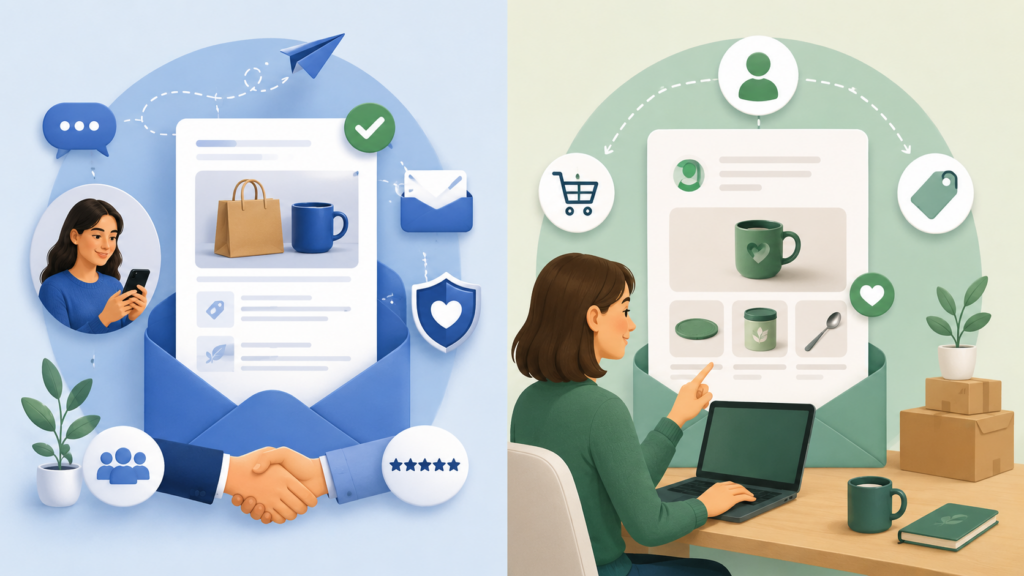
Personalization became the heart of my repeat-customer strategy. I noticed that when I suggested products based on a customer’s previous purchases, engagement increased dramatically. For example, if a customer bought a coffee mug, sending an email with matching accessories or limited-edition designs felt thoughtful rather than intrusive. Customers appreciated that the recommendations weren’t random; they were relevant to their interests. Over time, this strategy not only increased repeat purchases but also fostered a sense of connection. My store began to feel like a curated experience rather than just a transactional space.
Storytelling to Keep Customers Engaged
Emails that tell a story capture attention in ways that plain promotions cannot. I started experimenting with stories about how products are made, behind-the-scenes insights, or even narratives from other customers. This storytelling approach added personality to my emails and made them more memorable. Customers began to look forward to these updates, knowing they’d find something interesting or inspiring in their inbox. It’s amazing how sharing a simple story can turn an ordinary email into a powerful engagement tool that keeps people coming back.
Using Customer Feedback to Improve Campaigns
Feedback is invaluable in any business, and email marketing makes it easier to gather. I began including short surveys or asking for product reviews through my emails. Not only did this provide insights into what customers liked or disliked, but it also made them feel heard. When I implemented changes based on their feedback, I sent follow-up emails sharing those improvements. Customers loved seeing that their opinions mattered and it built loyalty in a very tangible way. It wasn’t just about selling products; it was about creating a collaborative relationship with the people who trusted my store.
Engaging Customers with Value-Driven Content
Beyond promotions, I realized the importance of delivering value in every email. Tips, guides, how-to content, and lifestyle suggestions relevant to my products kept customers engaged. For instance, if my store sold kitchen items, I sent recipes or cooking hacks that could be used with the products they purchased. This approach positioned my emails as helpful and informative, not just a sales pitch. Customers began to open emails expecting useful content, which naturally led to repeat purchases as they explored the products mentioned in the tips.
Monitoring Metrics to Fine-Tune Strategy
One of the most practical lessons I learned was the power of tracking metrics. Open rates, click-through rates, and conversion rates became my roadmap for understanding what worked and what didn’t. By analyzing these metrics, I could identify trends, adjust subject lines, refine messaging, and improve timing. It was like having a compass guiding me toward more effective communication. Without tracking, email marketing can feel like shooting in the dark but with data-driven insights, I could continuously optimize campaigns to drive repeat business.
Creating a Sense of Community
Email marketing gave me the ability to foster a community around my store. I shared stories from other customers, highlighted user-generated content, and encouraged participation in events or promotions. This sense of belonging turned customers into advocates. They weren’t just buying a product; they were joining a community that shared their interests and values. By nurturing this connection through emails, repeat purchases became almost a natural outcome of the relationship we built.
Leveraging Loyalty Programs to Encourage Repeat Purchases
One of the strategies that truly transformed my email marketing approach was introducing a loyalty program. I realized that while great products and personalized emails kept customers engaged, giving them a tangible reward for their continued support amplified the effect. Through my email campaigns, I invited customers to join a points-based system where each purchase contributed to discounts, special offers, or early access to new products.
The beauty of this approach was twofold. First, customers felt valued not only for their initial purchase but for their ongoing relationship with the store. Second, it created a psychological loop; when people know they’re earning rewards, they are naturally incentivized to return. I crafted emails that highlighted their current points, upcoming rewards, and exclusive perks. The response was phenomenal. Customers who might have made a single purchase suddenly became regular patrons, motivated not just by the products but by the benefits of being part of our loyalty program.
Seasonal Campaigns That Capture Attention
Seasonal campaigns added another layer to my repeat-customer strategy. By aligning my emails with holidays, festivals, or even local events, I created a sense of timeliness and urgency. For example, around major shopping periods or special occasions, I would send curated product recommendations that matched the season’s vibe. These emails were more than just sales pitches; they were celebrations, inviting customers to make their holidays or milestones even more special with my products.
Timing these campaigns was critical. I learned to plan well in advance, segmenting my audience based on past buying habits to ensure the offers felt relevant. Customers appreciated the thoughtfulness behind the selections, and seeing a well-timed email often reminded them to return, even if they hadn’t planned to shop that week. Over time, these seasonal campaigns became a cornerstone of our repeat-customer growth.
Emotional Triggers That Drive Engagement
One of the less obvious lessons I learned was the power of emotional triggers. Customers often make purchases based on feelings rather than logic alone. Emails that tapped into emotions like excitement, nostalgia, or the desire to give performed significantly better than purely transactional messages.
For instance, I shared stories about how certain products could create memorable moments, such as gifting an item that would bring joy to a loved one or using a product to simplify daily life. By framing products within these emotional narratives, I made them more compelling. Customers weren’t just buying a product; they were buying the experience, the story, and the feeling associated with it. This subtle approach encouraged repeat visits because it created an emotional bond with my brand.
Integrating Social Proof for Credibility
Another powerful technique I implemented was integrating social proof into my emails. Positive customer reviews, testimonials, and user-generated photos added credibility and trust. When a customer saw that others had a great experience with a product, it reassured them about making another purchase.
I made it a point to highlight real feedback in my campaigns, sharing short, authentic snippets that resonated with readers. Featuring a loyal customer’s story or showcasing how someone creatively used a product created a sense of authenticity that plain promotions could never achieve. This strategy not only boosted repeat purchases but also strengthened my store’s reputation and reliability.
Crafting Content That Adds Value
Beyond promotions, I focused on crafting content that genuinely added value to my customers’ lives. Informative guides, tips, and tutorials relevant to the products they purchased became regular features in my email campaigns. Customers began to see emails from my store as helpful resources rather than interruptions.
For example, if someone purchased kitchen items, I shared recipes, cooking tips, or storage hacks. If they bought home decor, I sent styling ideas or seasonal inspiration. By consistently providing value, I reinforced the relationship, encouraging customers to return not just for products but for the insights and inspiration they found in every email. Over time, this approach cultivated a loyal audience who eagerly anticipated each message.
Testing and Optimizing for Maximum Results
Email marketing is not a one-and-done effort; it requires constant testing and optimization. I started experimenting with subject lines, email length, visuals, and call-to-action phrasing. By analyzing which elements led to higher open and click-through rates, I could refine campaigns to better match customer preferences.
A/B testing became an invaluable tool. I could compare different versions of emails, learn what resonated, and implement changes in real-time. The insights gained from testing helped me understand my audience on a deeper level, ensuring that each message was more relevant, engaging, and persuasive than the last. The result was a steady increase in repeat purchases and stronger customer loyalty.
Long-Term Retention Strategies
While driving repeat purchases was essential, I also focused on long-term retention. Email marketing allowed me to nurture relationships over time, ensuring customers didn’t just return once or twice but became lifelong supporters. I achieved this by combining the strategies above personalization, storytelling, value-driven content, loyalty rewards, and emotional connection.
I made it a point to communicate consistently but thoughtfully. Every email was designed to remind customers of the brand experience, celebrate milestones, or provide valuable insights. The long-term effect was significant. Customers began to see my store as more than a place to shop; they saw it as a reliable partner, a source of inspiration, and a brand that genuinely cared about their needs and preferences.
Suggested Reading: How Instagram Reels Helped My Business Go Viral Locally
Conclusion
Email marketing transformed my store in ways I could never have imagined. By creating meaningful connections, providing value, leveraging personalization, and fostering loyalty, I turned occasional buyers into repeat customers and lifelong supporters. The journey wasn’t about quick wins; it was about building trust, nurturing relationships, and continuously learning from my audience.
For anyone looking to replicate these results, understanding the nuances of email marketing and focusing on the customer’s experience is key. It’s about blending strategy with authenticity, analytics with empathy, and communication with creativity. My experience shows that when done thoughtfully, email marketing isn’t just a tool for sales it’s a powerful way to cultivate meaningful, lasting relationships with your customers.
If you want to explore more strategies, insights, and actionable tips on leveraging email marketing to grow your business, visit Complete Gurus. They provide valuable guidance and resources to help businesses connect with customers, increase engagement, and create repeat purchase opportunities that truly work.

Ashutosh Mishra is an AI Visibility & Performance Marketing Expert with 14+ years of experience helping businesses grow through AI Visibility (AEO/GEO), Google Ads, Meta Ads, and SEO. He partners with founders and business leaders to build data-driven growth strategies that increase visibility, improve marketing performance, and help businesses get discovered, trusted, and recommended in the age of AI.