

Quick Summary
Based on the full blog, the central message is that marketing automation is not about replacing human interaction; it is about removing repetitive manual work so businesses can communicate more consistently, nurture leads intelligently, personalise customer journeys, and scale without adding unnecessary workload. The article moves from the problems of missed follow-ups and scattered campaigns to a more structured system where automation improves timing, customer understanding, sales conversations, and operational clarity.
It also highlights the less obvious benefits: consistency builds familiarity and trust, automation reduces day-to-day overwhelm, and structured workflows give business owners more time for strategy and creativity. Ultimately, the blog positions automation as a route to sustainable growth—saving time and supporting sales while allowing the business to operate with greater clarity, momentum, and less dependence on constant manual effort.
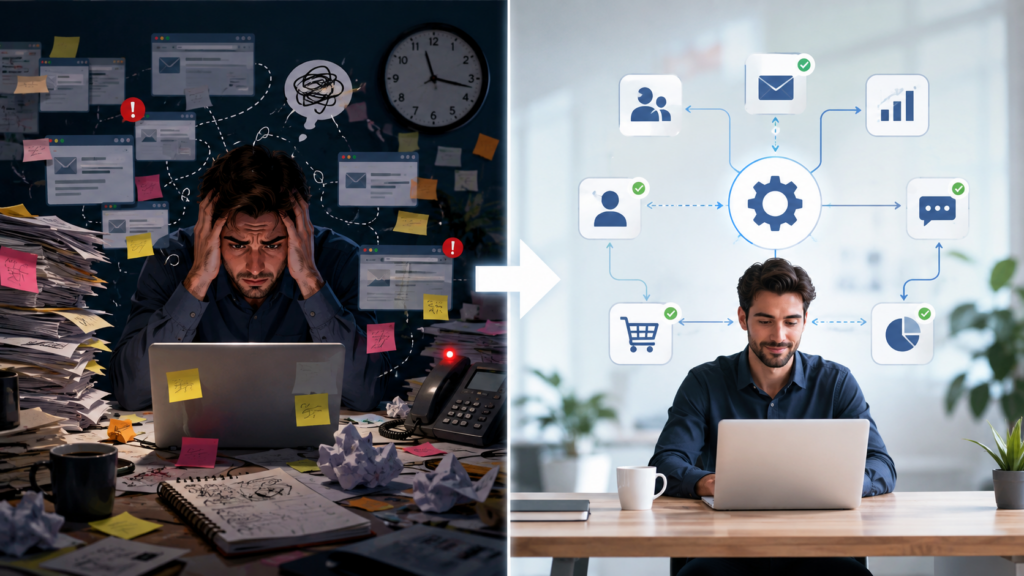
There was a time when my business days felt like an endless loop of tabs open, half-written emails, reminders scribbled on sticky notes, and the constant anxiety that something important was slipping through the cracks. I wasn’t lazy. I wasn’t careless. I was simply doing too much manually in a world that had already moved on to smarter systems. If you’re reading this because you’re exhausted from juggling leads, follow-ups, campaigns, and customer conversations, I get you. This story isn’t about some overnight miracle. It’s about how marketing automation slowly and quietly transformed the way I worked, how I sold, and how I finally reclaimed my time without sacrificing growth.
I didn’t wake up one day and decide to “automate everything.” Honestly, automation sounded cold to me at first. I believed real business meant personal hustle, manual effort, and late nights. But what I didn’t realize was that automation doesn’t remove the human touch. It protects it. It creates space for you to show up where you actually matter instead of burning energy on repetitive tasks that drain your creativity and focus.
The Breaking Point That Forced Me to Rethink Everything
Burnout doesn’t arrive with fireworks. It sneaks in quietly. It shows up as procrastination, missed follow-ups, forgotten leads, and that sinking feeling when you realize your inbox has become a battlefield of unanswered messages. I was losing potential customers not because they weren’t interested, but because I couldn’t respond fast enough, track their behavior, or nurture them properly. My sales process was inconsistent. Some people got attention, others slipped through the cracks. And every lost lead felt personal.
The worst part was realizing that I was working harder every month, but the results weren’t matching my effort. Growth felt chaotic. My marketing had no rhythm. Campaigns were scattered. I couldn’t tell what was working and what wasn’t. It felt like pushing a heavy cart uphill while watching other businesses glide past on smoother roads. That’s when I knew something had to change.
Understanding What Marketing Automation Really Is
Marketing automation isn’t about replacing people with software. It’s about designing a smarter system that handles repetitive actions so you can focus on strategy, relationships, and growth. Instead of sending every email manually, tracking every lead in spreadsheets, and guessing when to follow up, automation creates structured journeys for your customers. It responds to their behavior, their interests, and their timing. It allows your business to breathe even when you’re not actively clicking buttons.
Once I began learning how automation works, I realized I had been confusing “effort” with “effectiveness.” Just because something takes time doesn’t mean it’s valuable. Automation didn’t remove my control. It gave me clarity. It didn’t make my marketing robotic. It made it consistent. Suddenly, my brand voice felt steady across channels, and my customers experienced smoother communication without me having to chase every interaction.
How Automation Changed the Way I See My Customers
Before automation, my customers were entries in a list. I knew their names and email addresses, but I didn’t truly understand their journey. Once I implemented automated tracking and behavioral triggers, patterns emerged. I could see when someone was curious, when they were hesitant, and when they were ready to buy. Instead of blasting generic messages, I started speaking to people based on what they actually cared about.
This shift alone changed my relationship with marketing. It no longer felt like shouting into the void. It felt like listening and responding. Customers weren’t just “leads” anymore. They were individuals moving through a story, and automation helped me guide that story gently instead of forcing it forward. The result wasn’t just higher conversions. It was better conversations, more trust, and fewer awkward sales moments.
The Quiet Power of Consistency
Consistency is underrated. We talk about creativity, innovation, and big ideas, but none of that matters if your messaging disappears for weeks or shows up randomly. Automation brought rhythm into my marketing. Emails went out at the right time. Follow-ups happened without me setting reminders. Campaigns ran smoothly even when I was busy with client work or strategy sessions.
This consistency created familiarity. Familiarity created trust. And trust opened the door to sales. Customers began to recognize my brand not because I was louder, but because I was present. Not in an annoying way, but in a reliable, thoughtful way. Automation helped me become dependable in a digital world where attention is fragile and easily lost.
From Overwhelm to Flow in Daily Operations
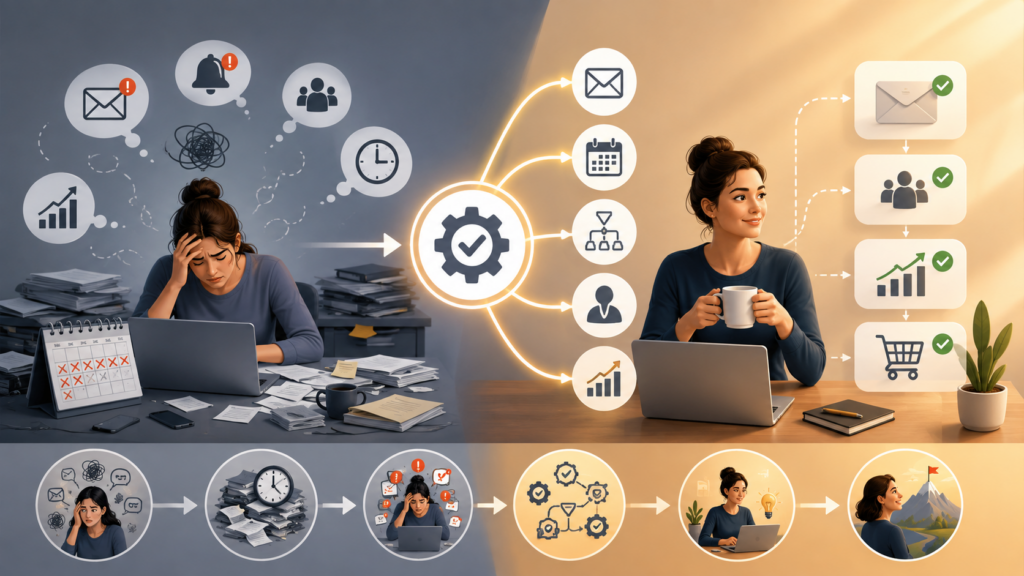
The emotional relief of automation surprised me. I expected better metrics and smoother workflows, but I didn’t expect peace of mind. Knowing that important messages were being sent, leads were being nurtured, and data was being tracked allowed me to focus on higher-level thinking. My days felt lighter. My mind felt clearer. I stopped carrying the constant fear that I was forgetting something important.
This shift also changed how I approached growth. Instead of reacting to chaos, I could plan. Instead of firefighting, I could build. Automation gave structure to my creativity. It didn’t limit my ideas. It supported them. The more structured my system became, the more freedom I felt to experiment with messaging, offers, and campaigns.
Why Sales Started Feeling Effortless
The phrase “increased sales effortlessly” might sound like a marketing gimmick, but here’s the truth: the effort didn’t disappear, it shifted. The effort moved from repetitive tasks to thoughtful design. Once the system was in place, sales stopped feeling like a daily struggle. Leads came in warmer. Conversations felt more natural. Customers already understood my value before I even spoke to them.
Automation handled the heavy lifting of education and nurturing. By the time a prospect reached out, they weren’t cold. They were curious, informed, and ready to explore solutions. This changed the emotional tone of sales. Instead of convincing, I was guiding. Instead of chasing, I was responding. That’s what “effortless” really means in this context. The struggle isn’t in every interaction. The struggle is in building the system once so it can support you daily.
What Changed When I Stopped Doing Everything Alone
One of the biggest mindset shifts I had to make was letting go of control in the wrong places. Doing everything manually felt responsible, but it was actually limiting my growth. Automation didn’t take control away from me. It gave me leverage. It allowed my business to operate at a level that matched my ambition without demanding more hours from my day.
This is where professional guidance made a real difference. Working with experts who understood marketing automation strategies helped me avoid common mistakes and build systems that actually worked. Platforms and service providers like Complete Gurus helped shape how I structured my automation journeys, optimized my funnels, and aligned my messaging with customer intent. That outside perspective accelerated my learning curve and saved me from wasting months on trial and error.
The Subtle Confidence That Comes With a Scalable System
There’s a quiet confidence that comes when you know your business isn’t fragile. When your marketing doesn’t collapse if you take a day off. When your sales process doesn’t depend entirely on your presence. Automation gave me that confidence. It turned growth into something predictable instead of chaotic. I could scale campaigns, test new ideas, and onboard new customers without feeling like I was stretching myself thinner.
This confidence showed up in my conversations with clients and partners. I wasn’t desperate for every sale anymore. I was selective. I knew my system would continue to generate opportunities. That shift in energy matters more than people realize. Customers can sense when you’re grounded versus when you’re scrambling. Automation helped me show up grounded.
When Automation Starts Working While You Sleep
One of the strangest feelings after implementing marketing automation was waking up to progress. Not notifications. Not chaos. Actual movement. Leads that had entered my system the night before were already receiving thoughtful messages. Curious visitors were being gently guided through content that answered their questions before they even asked them. It felt like my business had developed a heartbeat of its own.
This wasn’t about being lazy. It was about respecting my own limits. Humans burn out when they try to be available all the time. Automation doesn’t get tired. It doesn’t forget. It doesn’t lose momentum when you step away to think, plan, or simply breathe. That consistency created a steady stream of engagement that didn’t depend on me being glued to my screen. For the first time, growth didn’t feel fragile.
How Personalization Changed the Way People Responded to My Brand
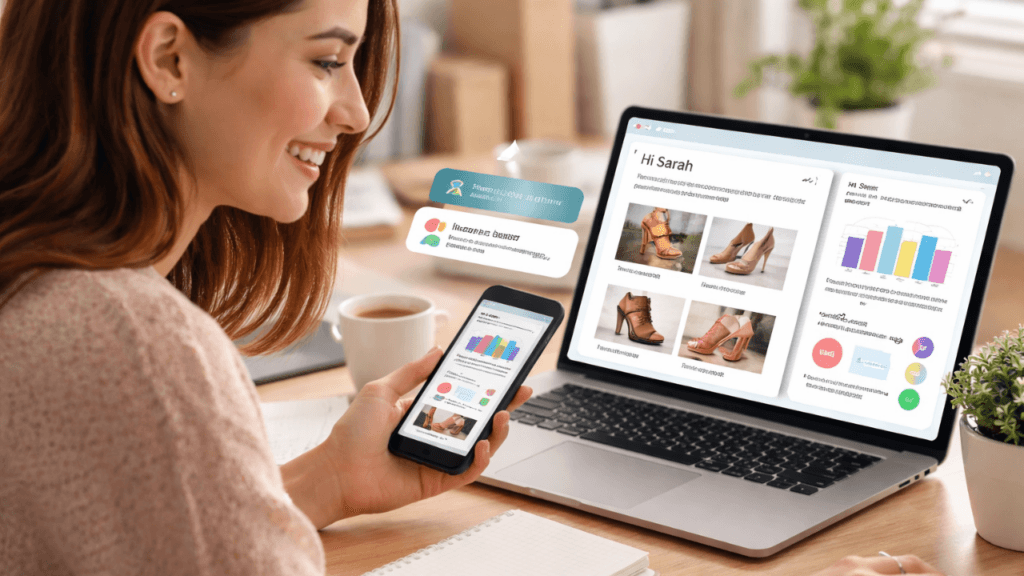
I used to think personalization meant adding someone’s name to an email subject line. What I learned through automation is that real personalization comes from relevance. When messages align with where someone is in their journey, they don’t feel marketed to. They feel understood. Automation allowed me to respond to actions instead of assumptions. When someone showed interest in a service, the system followed up with content that spoke directly to that interest. When someone hesitated, the system offered reassurance instead of pressure.
The tone of responses I received changed dramatically. People replied with warmth instead of indifference. They asked better questions. They trusted faster. This wasn’t manipulation. It was clarity. Automation helped me speak to people at the right moment with the right message, and that timing made all the difference. Customers didn’t feel chased. They felt supported.
Why My Sales Conversations Became Easier and More Honest
Sales used to feel like a performance. I was trying to present the best version of my offer while guessing what the other person wanted to hear. Automation removed a lot of that guesswork. By the time someone reached out, I already knew what content they had engaged with, what topics caught their attention, and where their curiosity peaked. This context transformed my sales conversations from scripted pitches into honest discussions.
I wasn’t trying to persuade someone to care. They already did. I was simply helping them decide if my solution was right for them. That honesty built stronger relationships and reduced the pressure on both sides. When sales feel like problem-solving instead of convincing, they become lighter. Automation created the conditions for that shift by doing the quiet work of nurturing long before the conversation began.
The Hidden Impact on My Confidence as a Business Owner
There’s an emotional side to automation that rarely gets talked about. It changes how you see yourself as a business owner. When your systems work, you start trusting your decisions more. You stop second-guessing every campaign. You stop wondering if you’re missing something important. That mental clarity creates confidence, and confidence shows up in how you communicate, how you price your services, and how you choose your clients.
Automation gave me proof instead of guesses. I could see what worked. I could adjust without panic. I could experiment without fear of everything collapsing. That sense of control didn’t come from micromanaging tasks. It came from designing a system that could handle growth without demanding more of my energy every time something scaled.
How Automation Helped Me Respect My Own Time
Time used to feel like the enemy. No matter how much I worked, there was always more to do. Automation reframed time as a resource I could protect. Tasks that once demanded daily attention now happened in the background. Follow-ups were consistent without being obsessive. Campaigns ran without me hovering over them. That space allowed me to think creatively, improve my offers, and actually enjoy the work again.
Respecting my time also meant respecting my customers’ time. Automation helped me communicate clearly and efficiently. No more redundant messages. No more overwhelming people with irrelevant content. Every interaction had purpose. That mutual respect strengthened relationships and reduced friction in the buying process. People felt like I valued their attention because I wasn’t wasting it.
Why Marketing Automation Feels Like Growth With Less Noise
Growth used to come with noise. More emails to send. More leads to manage. More chaos to control. Automation changed the texture of growth. It became quieter, smoother, and more intentional. Instead of reacting to spikes in activity, I could design experiences that scaled gracefully. Growth didn’t feel like an explosion. It felt like expansion with structure.
This kind of growth is sustainable. It doesn’t demand constant sacrifice. It doesn’t punish you for wanting balance. Automation allowed my business to grow without consuming my life. That balance made me better at my work because I wasn’t operating from exhaustion. When growth feels calm, you can actually enjoy building something meaningful.
The Shift From Hustle to Intentional Momentum
There’s a subtle difference between hustle and momentum. Hustle is frantic. Momentum is steady. Automation helped me move from one to the other. Instead of pushing every task forward with brute force, I built flows that carried progress naturally. This momentum didn’t come from doing more. It came from doing things smarter.
I stopped glorifying being busy. I started valuing clarity. Automation created room for reflection, strategy, and creativity. It allowed me to think about the bigger picture instead of constantly reacting to the next urgent task. That shift changed not just my results, but my relationship with work itself.
Why This Change Feels Sustainable for the Long Term
The most important thing automation gave me wasn’t more sales. It was sustainability. I can grow without burning out. I can scale without losing quality. I can step away without everything collapsing. This kind of stability is rare in fast-moving digital spaces, but it’s possible when your systems are designed intentionally.
Sustainable growth feels different. It’s calmer. It’s grounded. It leaves room for life outside of work. Automation didn’t turn my business into a machine. It turned it into something that could support me instead of consuming me. That’s the kind of growth that lasts.
Suggested Reading: How Google Tag Manager Helped Me Track Every Lead Perfectly
Conclusion
Marketing automation didn’t magically fix everything overnight, but it changed the way my business moved through time. It replaced chaos with clarity, pressure with flow, and exhaustion with momentum. It allowed me to show up for my customers with consistency and care without sacrificing my energy. The real gift of automation isn’t that it saves time or increases sales, although it absolutely does both. The real gift is that it gives you back the space to think, create, and lead with intention instead of constantly reacting. If you’re tired of feeling like growth demands more of you than you can give, marketing automation might not just change your workflow. It might change how you experience your business entirely.
And if you’re ready to stop struggling with disconnected tools, scattered campaigns, and overwhelming manual work, exploring how Complete Gurus approaches marketing automation can be a powerful step forward. Their focus on building smart, scalable systems tailored to real customer journeys can help turn your daily effort into intentional momentum, so your business grows without demanding more of your time than you can afford to give.

Ashutosh Mishra is an AI Visibility & Performance Marketing Expert with 14+ years of experience helping businesses grow through AI Visibility (AEO/GEO), Google Ads, Meta Ads, and SEO. He partners with founders and business leaders to build data-driven growth strategies that increase visibility, improve marketing performance, and help businesses get discovered, trusted, and recommended in the age of AI.