
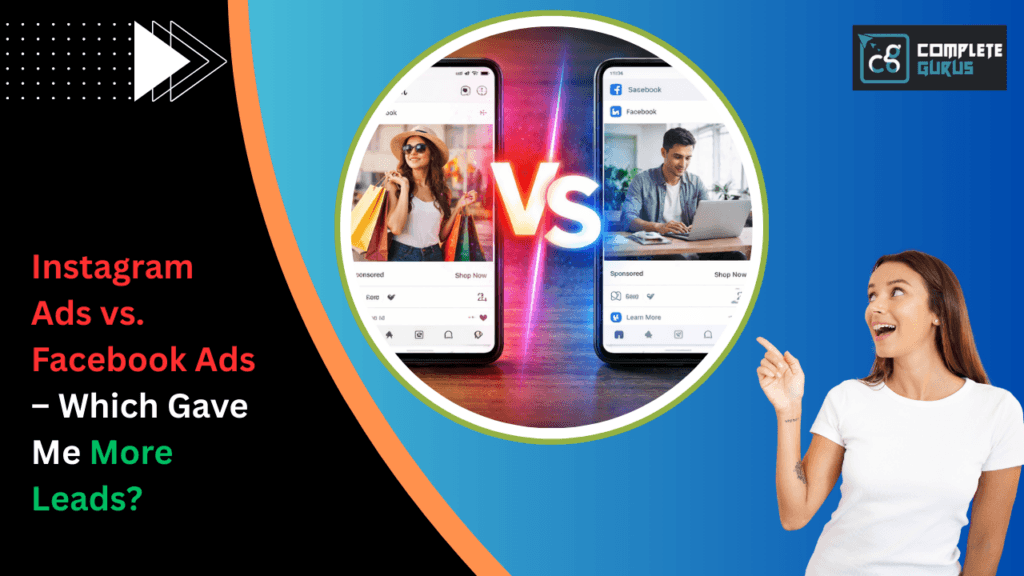
When I first dipped my toes into the world of social media advertising, I had a burning question: between Instagram and Facebook, which platform would actually deliver more leads for my business? It’s a question that resonates with many business owners today because while both platforms are under Meta’s umbrella, they attract different audiences, encourage different engagement styles, and ultimately can yield different results depending on how you approach them.
I decided to run a personal experiment, investing in both Instagram and Facebook ads to see firsthand where my marketing dollars would work hardest. Through this journey, I uncovered some surprising insights that completely reshaped the way I approach social media marketing and I want to share these with you.
Understanding the Platforms
Facebook has been around for nearly two decades. It’s a mature platform with a vast user base that spans multiple age groups. Instagram, on the other hand, is newer and heavily visual. Its users skew younger, and its culture is all about stunning imagery, bite-sized video content, and authentic storytelling.
Initially, I assumed that Instagram, with its trendy, aesthetically driven audience, would outperform Facebook in generating leads. After all, most of the business blogs I read seemed to glorify Instagram’s engagement stats. But assumptions are dangerous in marketing; numbers don’t lie.
Facebook, with its detailed targeting options and long-form post capabilities, allowed me to reach an older demographic who are more likely to make purchasing decisions or inquire about services. Instagram seemed great for likes, shares, and short-term engagement, but did those interactions translate into concrete leads? That was the real question.
The Experiment Setup
To make this a fair comparison, I mirrored my campaigns across both platforms. I used similar ad creatives, budgets, and targeting options. The only variable was the platform itself. I also tested different ad formats: carousel ads, video ads, and single-image ads, while keeping a close eye on metrics such as click-through rates, cost per lead, and actual conversions.
Working with experts from Complete Gurus helped me design ad creatives that weren’t just visually appealing but strategically optimized for conversions. They emphasized that a good ad isn’t just about looking nice, it’s about delivering a message that compels the audience to take action.
Initial Observations
Within the first week, Instagram ads generated a significant amount of engagement, lots of likes, comments, and shares. However, when I dug deeper, I realized that high engagement didn’t necessarily translate into leads. Many interactions came from users who weren’t in my target demographic or weren’t ready to commit.
Facebook, in contrast, had lower engagement numbers but a higher conversion rate. Users clicking on Facebook ads were more deliberate. They spent more time exploring my landing pages, filling out forms, and actually inquiring about services. This was the first big lesson: more eyeballs don’t always equal more leads.
Audience Behavior Differences
One of the key takeaways from this experiment was understanding audience behavior. Instagram users love visual storytelling. They scroll quickly, consume content in seconds, and often engage emotionally rather than practically. Facebook users, however, often research more before acting. They read reviews, compare services, and are generally more decision-oriented.
This doesn’t mean Instagram is useless for lead generation, it’s just that its approach needs to be different. For instance, retargeting Instagram users with personalized offers and interactive content worked better than relying solely on static ads. Facebook’s strength, in my experience, lay in detailed audience targeting and lead-focused campaigns.
Cost Analysis
Budget plays a critical role in determining which platform gives better results. Instagram ads tended to cost more per click due to higher competition and visually intensive ad formats. Facebook ads, on the other hand, offered better value per lead. This was another revelation: chasing trends and flashy visuals can drain budgets without delivering tangible results.
Complete Gurus’ team helped optimize my ad spend by analyzing audience segments and ad placement strategies. They suggested reallocating some budget from high-engagement Instagram campaigns to Facebook campaigns where the ROI was more measurable. This step alone improved my lead acquisition rates significantly.
Creative Strategies That Worked
For Instagram, short-form video ads showcasing quick tips, behind-the-scenes content, and visually appealing graphics generated the highest engagement. Carousel ads with multiple images telling a story also performed well in capturing attention, though the conversion was slower.
Facebook ads required a more direct approach. Clear call-to-actions, concise text explaining services, and testimonials from past clients resonated with users. Lead forms embedded in Facebook ads made it easy for interested users to contact me directly, which reduced friction in the conversion process.
Retargeting: Turning Interest into Action
One of the biggest lessons from my experiment was realizing that the first interaction rarely results in an immediate lead. Both Instagram and Facebook users often need multiple touchpoints before converting. That’s where retargeting became a game-changer.
On Instagram, retargeting worked best with ads that reminded users of content they had engaged with previously. For instance, if someone watched a 15-second video about my services, following up with a carousel ad highlighting client success stories nudged them closer to taking action. Instagram retargeting was more about staying top-of-mind and building trust visually.
Facebook, on the other hand, allowed for highly personalized retargeting. With detailed custom audience settings, I could target users who visited my landing page but didn’t fill out the contact form. A simple ad with a clear call-to-action, like “Schedule Your Free Consultation Today,” converted more effectively. The combination of Facebook’s precise targeting and retargeting was where I saw the strongest leads being generated.
Tracking and Analyzing Metrics
To truly understand which platform was better for lead generation, I had to dive deep into the metrics. It’s easy to be misled by likes, shares, and comments, but the real indicators of success are click-through rates, cost per lead, and completed inquiries.
Instagram gave high engagement rates, but the click-through to the landing page was lower. Many users simply interacted with the ad in-app without exploring further. Facebook’s engagement numbers were smaller, but the click-through rates and completed lead forms were consistently higher. Over time, this data painted a clear picture: Facebook was more effective at turning interest into actionable leads.
Complete Gurus taught me that understanding metrics isn’t just about collecting numbers, it’s about interpreting them in the context of your business goals. For instance, an Instagram campaign might build brand awareness, but Facebook was where I saw tangible business growth.
The Role of Ad Formats
The format of the ad played a significant role in results. Instagram thrives on visually immersive content, so stories and reels performed exceptionally well in grabbing attention. But the short lifespan of these formats sometimes limited lead conversions.
Facebook offered more flexibility with formats that encouraged action. Lead generation forms could be embedded directly into the ad, making it easy for interested users to sign up without leaving the platform. Video ads with testimonials and case studies performed remarkably well, creating credibility and prompting users to engage seriously.
This highlighted a key point: it’s not just about the platform; it’s about using the right format for the right goal. Instagram is excellent for awareness, engagement, and brand storytelling, while Facebook is better for direct response and lead generation.
Audience Segmentation: Quality Over Quantity
One thing that surprised me was the difference in audience quality between platforms. Instagram brought a flood of interactions, but many were from users outside my target demographic. Facebook, while seemingly quieter, delivered audiences more aligned with my business goals.
Complete Gurus emphasized the importance of audience segmentation. Instead of chasing mass engagement, I learned to focus on users who showed intent, those who clicked on multiple posts, visited the website, or engaged with similar content. Narrowing the audience improved lead quality dramatically and optimized ad spend efficiency.
The Learning Curve: Testing and Iteration
Neither platform offered instant results. Success required continuous testing, analyzing, and tweaking campaigns. From ad copy to visuals, audience targeting, and timing, every detail mattered. Instagram required a more creative, trend-driven approach, while Facebook demanded strategic, lead-focused messaging.
Working closely with Complete Gurus made this iterative process manageable. They helped me interpret the data, understand patterns, and apply insights across campaigns. Each adjustment improved lead quality and reduced wasted ad spend, proving that knowledge and strategy matter more than just budget.
Cost vs. ROI: Making the Investment Count
Budgeting is crucial when comparing Instagram and Facebook ads. Instagram’s visually driven nature often made ads costlier per click, particularly in competitive niches. Facebook’s ads, while less flashy, offered better ROI when the goal was lead generation.
For my campaigns, reallocating some Instagram budget to Facebook produced measurable improvements in leads without sacrificing engagement. The lesson here is clear: while high engagement feels satisfying, it’s the leads that grow your business. Investing in the platform that aligns with your objectives is far smarter than blindly following trends.
Integrating Both Platforms
While it might seem like one platform outperformed the other, the real breakthrough came when I integrated both into a cohesive strategy. Instagram helped build awareness and interest, while Facebook captured leads with precision.
By linking campaigns, retargeting users across platforms, and ensuring consistent messaging, I maximized results. Users who first discovered my brand on Instagram were funneled toward Facebook for lead generation, creating a seamless path from engagement to conversion. This integration is where the magic of social media advertising truly lies.
Psychological Insights: Why Facebook Leads Felt Stronger
There’s a subtle psychology behind the difference in leads. Instagram users often engage for entertainment and visual inspiration, which means their commitment is lower. Facebook users, especially those exploring services, tend to research and make considered decisions. This explained why Facebook leads were more serious and ready to convert.
Understanding this psychological factor helped me craft ads that spoke directly to the user’s mindset on each platform. Instagram ads became more about emotional appeal, while Facebook ads focused on logical decision-making, value proposition, and credibility.
Lessons Learned from My Journey
Reflecting on the entire experiment, several key takeaways stand out. First, chasing vanity metrics like likes and shares can be misleading. Second, understanding your audience’s behavior is critical. Third, testing, analyzing, and iterating is non-negotiable for success. Finally, a strategic partnership with experts like those at Complete Gurus can accelerate results and provide insights that save both time and money.
Both Instagram and Facebook have unique strengths, but when it comes to lead generation, Facebook proved more effective for my campaigns. That said, Instagram is far from useless; it’s invaluable for awareness, storytelling, and nurturing long-term brand engagement.
Suggested Reading: How Social Media Marketing Helped My Clinic Build Trust and Bookings
Conclusion
After months of running parallel campaigns, analyzing metrics, and refining strategies, it’s clear that Facebook delivered more concrete leads, while Instagram excelled at engagement and awareness. Integrating both platforms into a comprehensive strategy maximized my results, but if I had to choose a single platform for lead generation, Facebook wins hands down.
If you’re looking to elevate your social media advertising, optimize your campaigns, and understand which platform will truly grow your business, Complete Gurus offers the guidance, expertise, and hands-on support to make it happen. Their insights helped me navigate the complex landscape of social media ads and maximize ROI in ways I never imagined. For anyone serious about leveraging Instagram and Facebook effectively, I highly recommend exploring their services at https://completegurus.com/.

I am Ashutosh – a seasoned digital marketer, bringing digital transformation to businesses, complementing businesses’ growth via generating qualified leads, drive site inbound traffic via organic and inorganic approach, & build their brands through useful, well-designed marketing strategies and Marketing Automation implementation via Chat GPT, HubSpot & Zoho.