

Big change is coming to Google Ads. Starting September 1, 2026, Google will start automatically switching eligible Search campaigns over to AI Max. If you’re still running things the old-school way, this is worth paying attention to.
So what exactly is AI Max?
Think of it as Google’s AI doing more of the heavy lifting on your Search campaigns. Instead of you controlling everything through keywords and manual settings, AI Max looks at signals from your keywords, ads, website, and what people are actually searching for then decides how to match your ads to that intent.
It brings together a few things:
- Smarter search term matching
- AI-written ad text that adjusts to the search
- Sending people to the most relevant page on your site (not just one fixed landing page)
- More reporting and control options
Google claims campaigns using search term matching along with text customization and URL expansion see about 7% more conversions on average, at roughly the same cost based on their internal 2026 numbers for non-retail advertisers. Take that with a grain of salt since it’s their own data.
What’s actually changing on September 1?
If your campaigns are using any of these three things, they’ll get auto-upgraded to AI Max:
- Dynamic Search Ads (DSA)
- Automatically Created Assets (ACA)
- Campaign-level broad match
Google says this rollout will wrap up by the end of September.
What happens to each one:
Dynamic Search Ads These used to rely on your website content to generate ad headlines and pick landing pages. Now AI Max takes over with a broader, real-time understanding of search intent. Your campaigns will shift into standard ad groups, but your historical data and existing URL settings carry over so it’s not a total rebuild.
Automatically Created Assets These campaigns get upgraded with search term matching and text customization turned on by default.
Broad Match campaigns Same deal, search term matching gets switched on automatically.

Why is Google doing this?
People don’t search the way they used to. It’s less “running shoes” and more “best lightweight running shoes for beginners who run 5km a day.” Keyword matching alone doesn’t handle that well anymore Google’s betting that AI understands intent better than rigid keyword rules.
Don’t worry, you still have some control
Google says AI Max isn’t fully hands-off. You can still set:
- Brand controls
- Location controls
- Text guidelines
- URL controls
Plus you get reporting to see what the AI is actually doing.
What should you do before September?
Don’t just sit back and let it happen automatically. Google’s advice is to switch over yourself first, so you can test it and get familiar before the auto-migration kicks in.
A few things worth doing right now:
- Check your account for DSA, ACA, or broad match campaigns
- Keep an eye on your search terms AI Max can widen your reach, so irrelevant traffic can sneak in
- Tighten up your negative keywords
- Make sure your landing pages are solid, since AI Max may send traffic to different pages automatically
- Review your ad copy the AI will pull from your site content to write variations, so make sure that content is accurate and on-brand
What this means for marketers
The job is shifting. Less time manually tweaking keywords and match types, more time on:
- Setting clear goals
- Feeding good data into the system
- Building strong creatives
- Managing negative keywords
- Watching performance closely
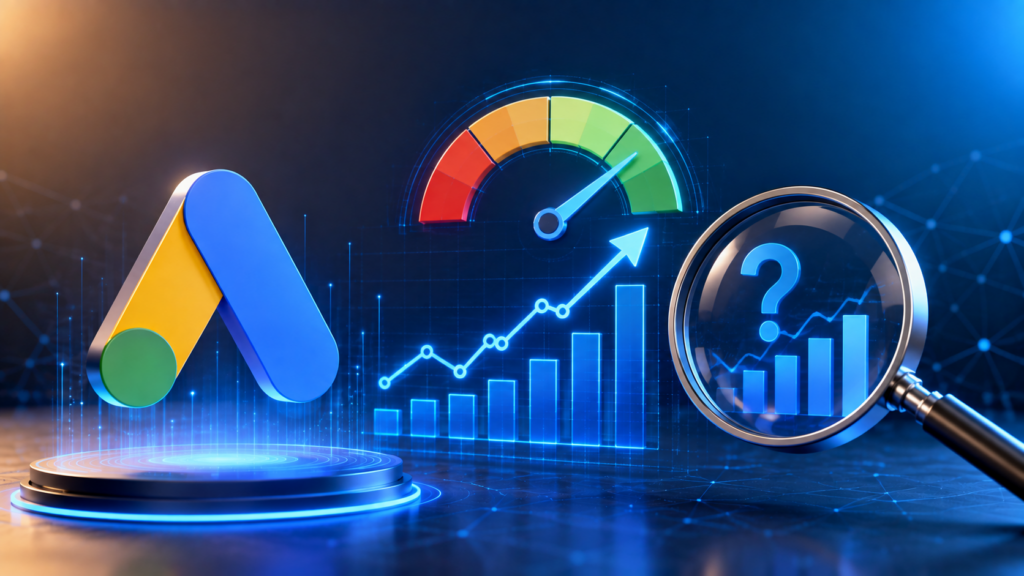
Will it actually improve your results?
Not guaranteed. Google’s average numbers look good, but your results depend on your industry, budget, website quality, tracking setup, and more. Don’t assume switching automatically means better ROAS test it and compare against your current performance instead of just trusting the hype.
Bottom line for small advertisers
If you’re running on a tighter budget, this matters even more. You don’t have the room to absorb wasted spend the way bigger brands can. So stay on top of your conversion tracking, negative keywords, and cost per acquisition once this rolls out.
Final word
This isn’t Google switching every single campaign onto full autopilot. It only applies to accounts using DSA, ACA, or broad match settings. But if that’s you, it’s a real shift and the smart move is to get ahead of it rather than wait for Google to do it for you. Review your setup, test AI Max yourself, and keep a close eye on performance once it’s live.