
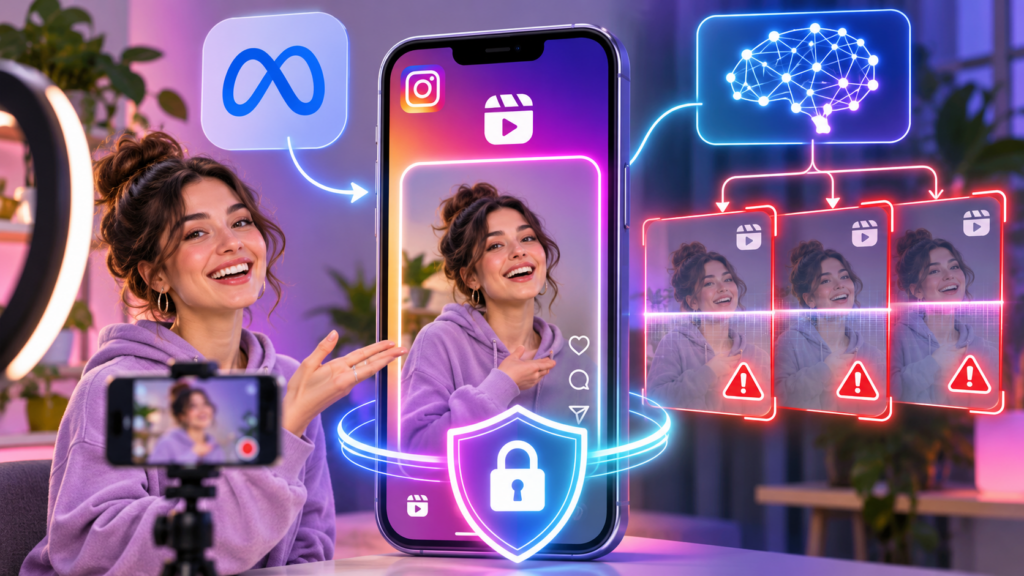
Meta has introduced new content protection features for Instagram creators, helping them identify when someone copies or reposts their original Reels. The company is also preparing AI-powered detection technology that can recognize copied speech and scripts, even when the original video’s visuals have been changed using artificial intelligence.
Meta is taking a major step toward protecting original content on Instagram with an expansion of its Content Protection system.
Announced on November 17, 2026, the update gives eligible Instagram creators new tools to detect copied videos, review matching content, and decide how their work can be used across Instagram and Facebook.
The development comes as social media creators face growing challenges from accounts that copy popular Reels and publish them again without permission.
Artificial intelligence has made this problem more complicated. Today, some users can take an existing video, replace the visuals with AI-generated characters, and publish a new version while keeping important parts of the original creator’s work.
Meta’s latest announcement aims to address both traditional video reposting and newer forms of AI-generated copying.
The company is also testing a system that can identify videos using the same spoken words as an original Reel, even when the images or characters have been replaced.
For Instagram creators, influencers, businesses, and social media marketers, this development could change how original video content is protected and credited online.
Meta Brings Content Protection Tools to Instagram
Meta first introduced its Content Protection system for Facebook creators in November 2025.
The feature was designed to help creators find copies of their original Reels and manage how those videos appear across Meta’s platforms.
Now, the company is extending similar protection to Instagram.
Eligible creators who join the program can automatically protect their original Instagram videos published after enrollment.
The system looks for matching videos across Instagram and Facebook.
When it identifies a possible copy, the original creator receives an alert.
The creator can then review the matching content and decide whether to take action.
This creates a more direct way for Instagram users to manage unauthorized reposting without manually searching through thousands of accounts.
The update is particularly useful for creators whose original videos are regularly shared or copied by other profiles.
How Instagram’s New Content Protection Feature Works
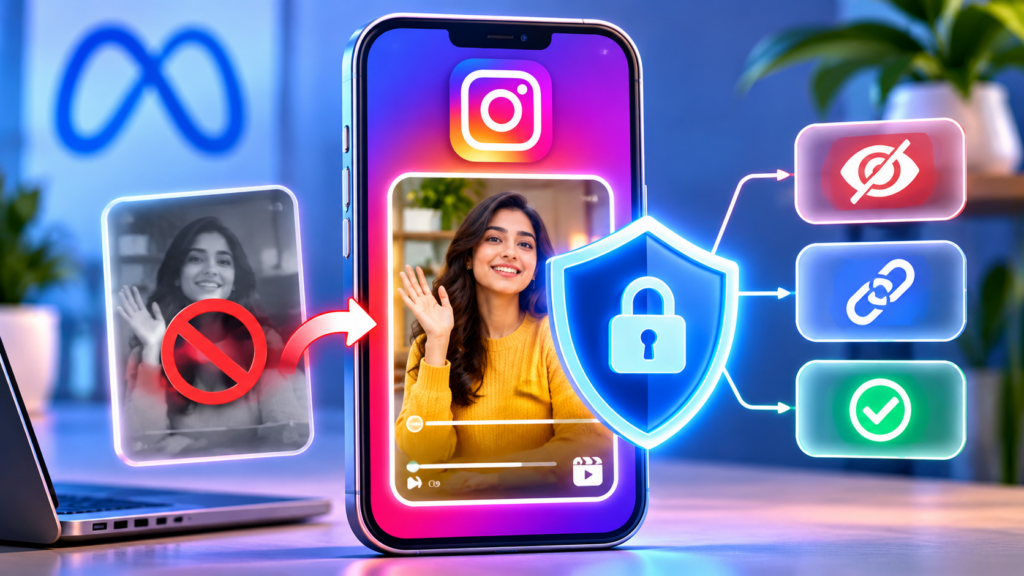
The new tool uses video-matching technology related to Meta’s existing Rights Manager system.
Its main purpose is to identify content that closely matches an original protected video.
For example, imagine a creator publishes a cooking Reel explaining how to prepare a particular dish.
Another account downloads that video and uploads it as its own content.
If the original creator has enrolled in Content Protection and the system detects a match, Instagram can send an alert.
The original creator can review the detected video and choose what happens next.
The tool also supports the protection of certain previously published videos.
Eligible creators can manually select older content they want to protect.
This makes the system useful for both new and existing Instagram content.
However, automated matching systems are not perfect. Some copied videos may not be detected, and matching content does not always mean that a copyright violation has occurred.
Creators Can Block, Monitor, or Claim Credit for Copied Reels
One of the most important parts of the update is that creators receive more control over detected copies.
When Instagram identifies a matching video, eligible creators have several options.
They can block the matching content from being viewed on Instagram and Facebook.
They can also choose to add an attribution label that identifies the original creator and links viewers to the original Reel.
This could help people discover the account that first published the content.
Another option allows creators to keep the matching video visible while monitoring its performance.
Creators can also release a claim when they do not want to restrict the matched video.
For example, a business may give a marketing partner permission to share a promotional Reel.
In that case, the original creator may not want the shared content to be blocked.
The system is designed to support these different situations rather than automatically remove every detected match.
Meta Is Testing AI Detection for Copied Speech and Scripts
The most interesting part of the announcement is Meta’s plan to detect AI-generated versions of existing videos.
Traditional video-matching technology generally works by comparing visual similarities.
However, AI tools make it possible to create a completely different-looking video based on someone else’s original material.
For example, a comedian might publish a Reel containing an original joke.
Another person could use AI to create a video featuring a different character while repeating the same spoken lines.
The new video might look different, making it harder for conventional video-matching tools to recognize the copied material.
Meta is experimenting with transcript-based detection to address this challenge.
The technology compares spoken words in videos and looks for matches with the original creator’s content.
This could help identify videos that reuse original scripts or dialogue despite substantial visual changes.
The feature is still in testing with a small group of creators.
Meta has not announced a confirmed date for its wider release.
Why AI-Generated Copycat Videos Are Becoming a Bigger Problem
Artificial intelligence has made video creation faster and more accessible.
People can now generate characters, voices, backgrounds, and animated scenes using AI-powered tools.
These technologies offer useful opportunities for creative storytelling and video production.
However, they can also make it easier to reproduce someone else’s ideas or creative work without proper permission.
A creator may spend significant time developing a video concept, writing a script, recording content, and editing the final Reel.
Another account might then publish a similar version using AI-generated visuals.
Sometimes, these copies attract attention without clearly identifying the original creator.
This creates concerns about creative ownership, recognition, and the commercial value of original work.
Meta’s latest update is an attempt to give creators better tools to respond to these situations.
At the same time, the company must distinguish unauthorized copying from legitimate creative expression.
Not every video that discusses the same topic or uses similar language should be treated as stolen content.
That balance will be important as Meta continues developing its detection technology.
Instagram Wants to Give More Recognition to Original Creators
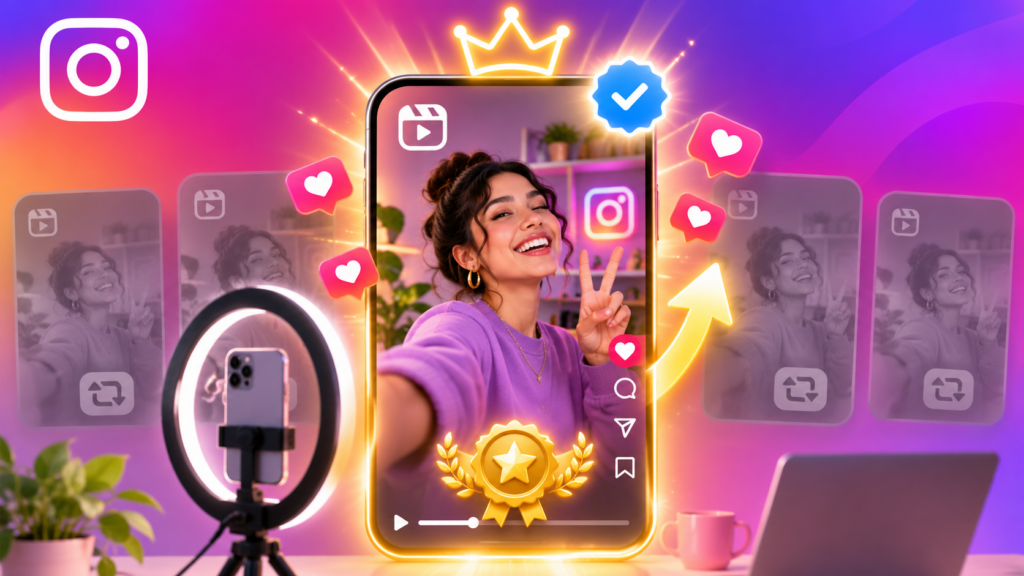
Meta has been placing greater emphasis on original content across Facebook and Instagram.
The company has previously explained that original videos should receive better opportunities for discovery than low-value copies.
In March 2026, Meta shared updated guidance on how Facebook evaluates original content.
It explained that content created or produced directly by a creator is generally considered original.
The company also said that videos making only minor changes to someone else’s work may receive reduced distribution.
Examples include adding simple borders, changing playback speed, or making small edits without offering meaningful new value.
The expansion of Content Protection to Instagram fits into this wider effort.
Instead of focusing only on detecting copied content after it becomes popular, Meta is developing systems that help original creators protect their work.
For creators building their audiences through Reels, this could provide additional confidence when publishing original material.
However, access to Content Protection does not guarantee higher reach, more followers, or better monetization.
How Instagram Creators Can Access Content Protection
The feature is being introduced to eligible Instagram creators rather than becoming immediately available to every account.
According to reporting on the announcement, eligible users will receive a notification in their Instagram activity feed.
Creators who receive access can enroll in Content Protection.
After enrollment, original videos they publish going forward are automatically covered by the system.
They may also manually select eligible older Reels for protection.
The system provides a way to review detected matches and decide how to manage them.
Creators can also maintain an allow list for accounts that have permission to reuse their videos.
For example, someone managing both a personal account and a business account may want to authorize reposting between those profiles.
Adding approved accounts to the allow list can help prevent unnecessary matching alerts.
Creators who do not currently have access should understand that availability is limited and may expand gradually.
Meta has not announced universal availability for every Instagram account.
What This Update Means for Influencers and Content Creators
For influencers, original content can play an important role in building an online identity.
Their videos may contain personal ideas, educational explanations, entertainment, tutorials, or original storytelling.
When other accounts repost these videos without permission, the original creator may lose recognition and potential audience engagement.
The new Content Protection system gives eligible creators a more structured way to identify matching uploads.
It may also help them recover attribution when other users share their material.
For creators working with brands, this feature could make it easier to distinguish unauthorized reposts from approved collaborations.
However, creators should continue maintaining copies of their original content and records of relevant permissions.
Content Protection is an additional platform tool, not a replacement for copyright law or every other method of protecting creative work.
What Does This Mean for Social Media Marketing Agencies?
The update is also relevant to businesses and agencies that regularly produce Instagram Reels.
Social media marketing teams often invest time and resources in creating original video campaigns.
These campaigns may include product demonstrations, customer education, tutorials, promotional messages, and branded entertainment.
If another account republishes that material without permission, it can create confusion about the original source.
Meta’s updated protection features could help agencies monitor certain cases of unauthorized video reuse.
For example, an ecommerce brand may publish an original product demonstration.
If another account reposts the same Reel, the brand may be able to identify the copy and review possible actions through Content Protection.
Marketing agencies should also consider how they manage permissions for influencers, content partners, and other authorized accounts.
Using an allow list where appropriate may help prevent legitimate sharing arrangements from being treated as unwanted copies.
The development reinforces the importance of producing original content rather than relying on repeated reposts of other creators’ work.
Could AI Copy Detection Affect Instagram Reach and Monetization?
Meta is exploring additional measures against accounts that repeatedly use AI to reproduce other creators’ work.
One possibility under consideration is limiting the reach of accounts or content associated with repeated unauthorized copying.
This would be consistent with Meta’s broader efforts to reduce the distribution of unoriginal material.
However, the company has not confirmed that every AI-modified copy will automatically receive a penalty.
The new transcript-matching feature is still being tested, and Meta has not provided detailed public results about its accuracy.
Creators should therefore avoid assuming that the system will immediately identify every copied script or automatically remove all duplicate videos.
For monetization, original content may help creators maintain a stronger and more recognizable presence.
But Meta has not announced any guaranteed earnings increase linked to the new Instagram protection feature.
Advertising revenue, creator eligibility, audience engagement, and monetization policies remain separate considerations.
Challenges Meta May Face With AI Copycat Detection
Although the new tools could be useful, detecting unauthorized copies is not always straightforward.
Two creators may discuss the same topic using similar words without intentionally copying one another.
Educational videos, news reporting, popular phrases, and common jokes can also contain overlapping language.
A transcript-matching system must therefore avoid treating every similar sentence as proof of theft.
Another challenge involves content that has been significantly transformed.
Some creators add meaningful commentary, analysis, or new information when working with existing material.
The platform needs to distinguish between content that adds genuine value and content that simply reproduces another person’s work.
False claims could also create problems.
If someone incorrectly claims ownership of a video, an original creator could face unnecessary restrictions.
This makes clear review processes and fair dispute handling important.
As Meta develops its AI detection technology, accuracy and transparency will play an important role in building creator trust.
What Is Next for Instagram Content Protection?
Meta’s next challenge will be expanding its detection tools while maintaining reliable results.
The company is currently testing transcript-based matching with a limited group of creators.
If the testing proves effective, it may eventually provide a broader way to identify AI-modified copies of original videos.
The technology could become particularly relevant for comedians, educators, storytellers, influencers, and other creators whose original spoken content is an important part of their work.
Meta is also considering how to respond to accounts that repeatedly use AI-generated content to copy others.
However, no confirmed timetable has been announced for a wider release of transcript detection.
The current rollout focuses on giving eligible Instagram creators access to video-matching protection and greater control over detected reposts.
Additional improvements will depend on Meta’s future testing, product decisions, and creator feedback.
Conclusion
Meta’s expansion of Content Protection to Instagram is an important development for creators who want greater control over their original Reels.
The new feature can help eligible users discover matching videos across Instagram and Facebook, review possible copies, and decide whether to block them, monitor them, release their claims, or request attribution.
The company is also taking an important step toward addressing AI-generated copycat videos through experimental transcript detection.
This technology could help identify reused scripts and spoken content, even when artificial intelligence has changed a video’s appearance.
However, the AI-focused detection feature remains in limited testing, and its broader availability has not yet been confirmed.
For influencers, businesses, and social media marketing agencies, the announcement highlights the growing value of original creative work.