

Selling on Amazon often feels like entering a giant digital marketplace where millions of products compete for attention. When I first started selling, I assumed that simply listing a product would be enough to generate sales. But reality hit quickly. My product sat quietly in the depths of search results, almost invisible to shoppers. That’s when I began exploring two powerful strategies that every Amazon seller eventually encounters: Amazon SEO and Amazon PPC.
Both approaches promise visibility and sales, but they work very differently. One focuses on long-term organic growth, while the other delivers quick exposure through paid advertising. I decided to test both methods and see which one truly produced better results. The journey taught me a lot about how Amazon’s marketplace works, how customers discover products, and how businesses can grow sustainably.
This article shares that experience from the perspective of a seller who wanted real results rather than marketing buzzwords. If you’re someone trying to decide whether to invest in Amazon SEO or PPC, this story will help you understand what actually happens behind the scenes and which strategy may work best for you.
Understanding the Amazon Marketplace Before Choosing a Strategy
Before diving into Amazon SEO or PPC, it’s important to understand how Amazon itself functions. Unlike traditional search engines, Amazon’s primary goal is not just to show relevant results but to show products that are most likely to generate sales. In simple terms, the platform rewards listings that convert visitors into buyers.
That means visibility on Amazon depends on two major factors: discoverability and conversion. If your product cannot be found, it won’t sell. But even if people find it, poor listing quality will still prevent sales.
This dynamic explains why sellers focus heavily on optimizing listings and running advertising campaigns. Both strategies aim to help products appear in front of potential buyers searching for similar items.
When I first entered the platform, I realized that competition was intense. Thousands of sellers were offering similar products. Some relied on advertising, while others dominated search results organically through optimized listings. Understanding this balance between paid and organic visibility became the foundation of my strategy.
What Amazon SEO Actually Means for Sellers
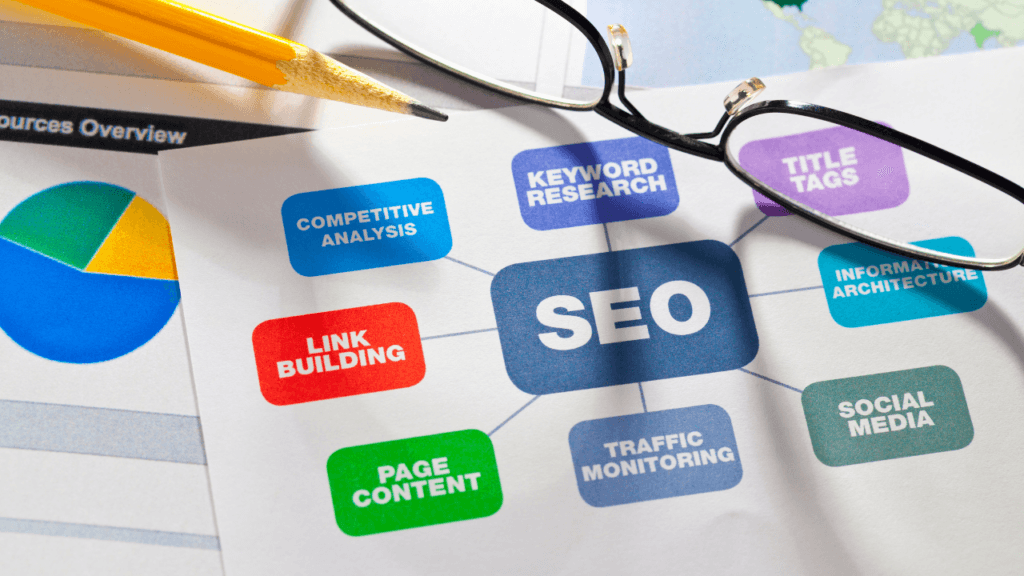
Amazon SEO refers to optimizing your product listing so it appears in organic search results when customers search for related keywords. It involves carefully crafting product titles, descriptions, bullet points, backend keywords, and images to match what shoppers are looking for.
When done correctly, this optimization improves the chances that your product will rank higher in Amazon search results. The higher the ranking, the more potential buyers will see your product.
Amazon SEO is not just about inserting keywords. It also involves understanding customer behavior and how the algorithm evaluates listings. Elements like product reviews, click-through rates, and conversion rates all influence ranking.
Experts in Amazon SEO typically focus on keyword research, competitor analysis, and optimizing listings so they attract both the algorithm and human buyers. Properly structured titles, informative bullet points, and compelling descriptions help improve visibility and encourage conversions.
When I first started optimizing my listings, I noticed that the process required patience. Unlike paid advertising, SEO results did not appear overnight. But once the listing started gaining traction, the traffic felt more stable and reliable.
How Amazon PPC Works and Why Sellers Use It
Amazon PPC, or Pay-Per-Click advertising, is Amazon’s advertising system that allows sellers to promote their products through sponsored placements.
With PPC campaigns, sellers bid on specific keywords. When shoppers search for those keywords, the sponsored products appear at the top or within search results. Every time someone clicks the ad, the seller pays a fee.
This model gives sellers immediate visibility. Instead of waiting weeks for organic rankings to improve, PPC allows products to appear in front of customers almost instantly.
Advertising experts usually manage several elements within PPC campaigns, including keyword targeting, ad placement, campaign structure, and budget management. Proper targeting ensures that ads reach shoppers who are more likely to purchase the product.
When I launched my first PPC campaign, I was impressed by how quickly impressions and clicks began appearing. Within a few hours, my product was finally visible to shoppers. But the real challenge was understanding whether those clicks would translate into profitable sales.
My First Experiment With Amazon PPC
Like many new sellers, I started with PPC because it promised quick results. I created a campaign targeting keywords related to my product category and allocated a modest daily budget.
The early results were exciting. Traffic to my listing increased immediately. The product started receiving views and clicks that it had never seen before. For the first time, I felt like my product actually existed in the Amazon ecosystem.
However, after a few days, I noticed something concerning. While traffic increased, profits were not as impressive as I expected. Some keywords generated many clicks but very few purchases.
This meant that every click was costing money without always producing revenue. PPC campaigns require constant monitoring to identify which keywords perform well and which ones waste budget.
Eventually, I learned how to optimize campaigns by removing underperforming keywords and focusing on those with better conversion rates. This improved the overall return on advertising spend.
Still, the experience taught me that PPC is powerful but not always sustainable on its own.
My Journey Into Amazon SEO
After running PPC campaigns for a while, I started looking for a more sustainable approach. That’s when I began focusing seriously on Amazon SEO.
Instead of paying for every click, I wanted customers to discover my product naturally through search results. Achieving this required reworking my entire listing.
I began with keyword research to understand what shoppers were searching for. Then I rewrote my product title to include the most relevant terms. The bullet points were redesigned to clearly highlight product features and benefits.
Images were also upgraded to make the listing more appealing and informative. High-quality visuals play a significant role in convincing customers to click and buy.
Gradually, I noticed that my product began appearing in search results without relying on ads. Organic impressions started increasing, and the listing began receiving consistent traffic.
This was the moment when I realized how powerful SEO could be.
The Long-Term Advantage of Organic Visibility
One of the biggest advantages of Amazon SEO is sustainability. Once a product begins ranking organically, it can continue generating traffic without requiring constant ad spending.
For example, after optimizing my listing, I started receiving daily sales even when my PPC campaigns were paused. That meant my product had developed organic momentum.
Organic rankings also build credibility. Many shoppers instinctively trust products that appear naturally in search results because they perceive them as popular or relevant.
While SEO takes time to show results, the long-term benefits can be significant. Instead of paying for every click, sellers can attract consistent traffic and improve profit margins.
When Amazon PPC Delivers the Best Results
Despite the advantages of SEO, PPC still plays an important role in an Amazon strategy.
Advertising is extremely useful when launching new products. Without PPC, a new listing may struggle to gain initial visibility because it has no sales history or ranking.
PPC campaigns allow sellers to generate early traffic and sales. These early conversions can help improve organic ranking over time.
Advertising is also useful for promoting seasonal products or clearing inventory quickly. In such situations, waiting for SEO results may not be practical.
In my own experience, PPC worked best when combined with a strong listing. When the product page was optimized, the advertising traffic converted more effectively.
Why Amazon SEO and PPC Work Better Together
At first, I treated Amazon SEO and PPC as competing strategies. But over time, I realized they actually complement each other.
PPC campaigns can reveal which keywords convert best. That data can then be used to improve listing optimization.
For example, when certain keywords produced strong sales through advertising, I incorporated those keywords into my product listing. This helped improve organic ranking for those terms.
In this way, PPC becomes a valuable research tool for SEO. Meanwhile, strong SEO improves the effectiveness of advertising campaigns by increasing conversion rates.
This combination creates a cycle where paid traffic supports organic growth, and organic visibility reduces reliance on paid advertising.
The Cost Factor That Influenced My Decision
Cost is a major consideration for any Amazon seller. PPC requires continuous spending because each click incurs a cost.
When campaigns are paused, the traffic disappears immediately.
SEO, on the other hand, requires time and expertise rather than continuous ad spending. Once a listing achieves strong rankings, it can continue attracting customers without additional costs.
For small businesses or new sellers with limited budgets, relying entirely on PPC can become expensive. That’s why investing in SEO often proves to be more cost-effective in the long run.
The Role of Professional Expertise in Amazon Marketing
While learning Amazon SEO and PPC on my own was valuable, I eventually realized that managing everything alone was difficult. The platform constantly changes, and competition continues growing.
Working with experienced professionals can significantly improve results because they understand the nuances of Amazon’s algorithm and advertising system.
Specialists analyze keyword trends, optimize listings, manage advertising campaigns, and continuously track performance data to improve outcomes.
Professional teams that specialize in Amazon marketing focus on strategies that improve rankings, increase visibility, and drive conversions through both SEO and PPC optimization.
This expertise can save sellers time and help avoid costly mistakes.
Which Strategy Actually Delivered Better Results for Me
After months of testing both approaches, the answer became clear.
Amazon PPC delivered faster results. It generated immediate traffic and helped launch new products quickly. However, it required continuous spending and careful management.
Amazon SEO, on the other hand, delivered stronger long-term results. Once the listing gained organic visibility, sales became more stable and less dependent on advertising.
In terms of profitability, SEO ultimately produced better results because it reduced marketing costs while maintaining steady traffic.
But the real success came from combining both strategies rather than choosing only one.
The Strategy I Use Today
Today my Amazon strategy looks very different from when I started.
Every product launch begins with PPC campaigns to generate initial traffic and gather keyword data. During this phase, I monitor which search terms convert best.
Then I use that data to strengthen the listing through SEO optimization. Over time, the product begins ranking organically, reducing the need for heavy advertising.
Once organic rankings become stable, PPC campaigns are scaled back and used mainly for boosting specific keywords or promoting new variations.
This balanced approach allows me to maintain visibility while controlling marketing costs.
Suggested Reading: How I Increased My Amazon Store Revenue Using SEO Optimization
Conclusion
Choosing between Amazon SEO and Amazon PPC is not as simple as picking one over the other. Each strategy serves a different purpose in the Amazon ecosystem.
PPC provides immediate visibility and helps new products gain traction quickly. SEO builds long-term stability by improving organic rankings and reducing reliance on advertising.
In my experience, the best results came from integrating both strategies into a single, well-planned marketing approach.
For sellers who want expert guidance in navigating this complex marketplace, professional support can make a significant difference. Digital marketing teams that specialize in Amazon optimization can help businesses refine listings, manage advertising campaigns, and build sustainable growth strategies.
If you are looking for experienced professionals who understand Amazon SEO, PPC management, and performance-driven digital marketing, exploring the services offered by https://completegurus.com/ can be a valuable step toward improving your Amazon sales and building a stronger online presence. Their team focuses on customized strategies, transparent reporting, and measurable results that help businesses scale effectively in competitive digital marketplaces.

I am Ashutosh – a seasoned digital marketer, bringing digital transformation to businesses, complementing businesses’ growth via generating qualified leads, drive site inbound traffic via organic and inorganic approach, & build their brands through useful, well-designed marketing strategies and Marketing Automation implementation via Chat GPT, HubSpot & Zoho.