
Summary
Facebook advertising is becoming more cost-effective in 2026, according to new data from WordStream by LocaliQ. Clicks are getting cheaper across the board, and engagement is improving too traffic campaigns saw click-through rates rise to 1.93% while cost per click dropped to $0.60, and lead generation campaigns saw similar gains, with cost per lead staying fairly stable at around $27. Results differ a lot by industry, with real estate and restaurants seeing the biggest savings, while categories like shopping and sports actually got pricier. Much of this improvement seems to be driven by Meta’s growing use of AI and automation, like Advantage+ and smarter bidding, though this only works well when businesses provide solid tracking data and strong ad creative to match. Experts caution that cheaper clicks don’t automatically mean better business results what truly matters is whether those clicks turn into real leads and paying customers. Overall, the takeaway for marketers and businesses is that Meta Ads remain a valuable part of the advertising mix in 2026, but success will still depend on combining automation with good tracking, fresh creative, and a clear focus on actual revenue rather than just cheap traffic.
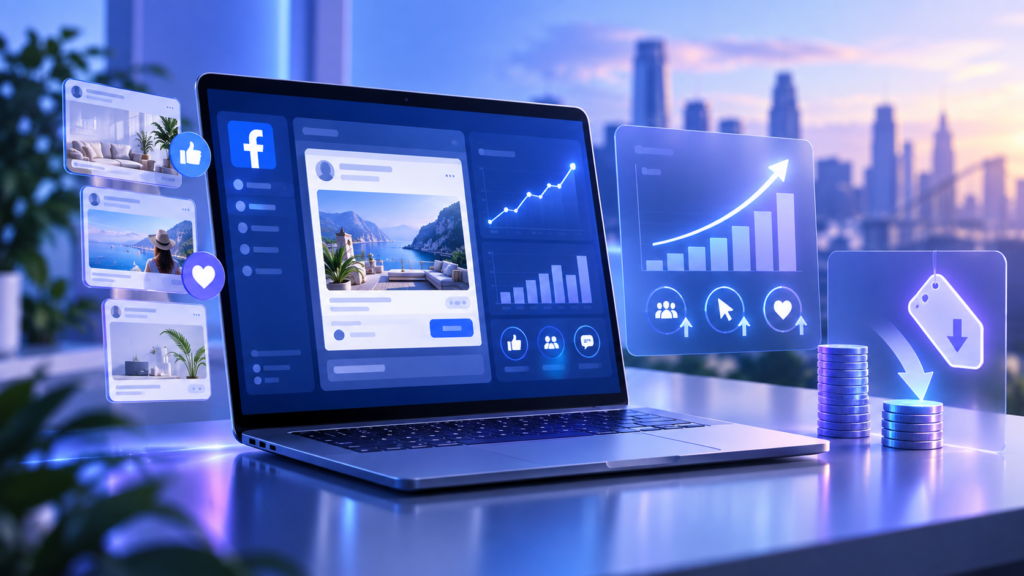
New data from WordStream by LocaliQ shows that advertisers are paying less per click on Facebook while also seeing better engagement. Traffic campaigns have improved the most, and lead generation campaigns are also seeing cheaper clicks with steady lead costs.
Traffic Ads Are Doing Better
If you run campaigns to send people to your website, here’s some good news. The average click-through rate for these campaigns went up to 1.93% in 2026, compared to 1.71% last year. That’s a jump of nearly 13%.
At the same time, the cost per click dropped to $0.60 from $0.70 a drop of about 14%.
So basically, more people are clicking your ads, and you’re paying less for each click. That’s a win-win for most advertisers.
Results Vary by Industry
Not everyone is seeing the same improvement though. Real estate businesses saw their click costs drop by almost 40%. Restaurants and food businesses saw a drop of about 37%, and industrial businesses saw something similar.
But it’s not all good news everywhere. Some categories like shopping and gifts, and sports and recreation, actually saw their costs go up.
This is a good reminder that a general Facebook benchmark won’t apply the same way to every business. It depends on your industry, competition, audience, and even your offer.
Lead Campaigns Are Also Improving
Lead generation ads are showing positive signs too. The click-through rate went up to 2.70% from 2.59%, and the cost per click dropped by over 6% to $1.80.
So if your business relies on people filling out forms or booking consultations, cheaper clicks mean you could reach more people without spending more.
But clicks are just the beginning. What matters more is what happens after someone clicks.
Cost Per Lead Stayed Mostly the Same
The average cost per lead was $27.39, only slightly lower than last year. So even though clicks got cheaper, the actual cost of getting a lead barely changed.
This number also varies a lot by industry. Career and employment businesses paid around $12 per lead, real estate paid about $14. But dentists paid over $60, and beauty businesses paid close to $51.
This shows why comparing your numbers to your own industry matters more than looking at an overall average.
Cheap Clicks Don’t Always Mean Good Leads
Just because clicks are cheaper doesn’t mean the leads are better. A campaign can bring in lots of cheap clicks from people who never actually buy anything.
That’s why it’s important to look beyond just clicks and costs. Things like how many leads actually turn into sales, how much it costs to get a real customer, and how much revenue you’re making are much better indicators of success.
Why Is This Happening? Automation
One big reason behind these improvements is Meta’s growing use of AI and automation. Features like Advantage+ and smarter bidding are helping Meta find the right people more effectively.
This means advertisers are relying less on manual targeting and more on letting Meta’s system do the work. But this only works well if you’re feeding it good information proper tracking, solid creatives, and clear offers still matter a lot.
Creative Matters More Than Ever
As targeting becomes more automated, your ad creative the images, videos, and messaging plays a bigger role in determining who sees your ad.
This means you can’t just run the same ad for months. You need to keep testing new visuals, headlines, and messages to see what works best. Different creatives can attract different types of customers, even within the same campaign.
Tracking Is Still Important
Meta’s automation only works well if you’re sending it the right signals. That means setting up your Pixel and Conversions API properly so Meta understands which actions actually matter a purchase, a form fill, or something else.
For online stores, tracking things like purchases and cart activity gives clearer insights. For lead-based businesses, it helps to track which leads actually became real customers, not just form submissions.
What This Means for Online Stores
Since Meta is great at helping people discover new products, cheaper traffic costs could mean it’s easier to bring in new potential customers.
But online stores still need to focus on what matters most how many people actually buy, how much it costs to get a customer, and their overall return on ad spend. Cheap traffic isn’t useful if people don’t purchase anything.
Facebook and Google Work Differently
Facebook and Instagram are great for creating awareness and introducing new products to people. Google, on the other hand, is better at catching people who are already searching for something specific.
Instead of choosing one over the other, many businesses are now using both Facebook to build interest, and Google to capture people who are ready to buy.
The Bottom Line
The main takeaway from this data is that Facebook Ads are still a strong option for businesses in 2026. Traffic and lead campaigns are becoming more affordable, and engagement is improving.
But remember these are just averages. Every business is different, so use this data to understand the bigger trend, but make your own decisions based on your specific numbers.
Facebook advertising is heading toward a future built on automation, smart tracking, and strong creative testing. Cheaper clicks are a great start, but the real win comes from turning those clicks into actual paying customers.