


Paid Marketing for

Entertainment & Media Businesses

Entertainment and media live or die on attention — and attention alone doesn’t pay the bills. Complete Gurus builds paid marketing campaigns for venues, promoters, streaming platforms, publishers, and content creators that convert scrolls and views into ticket sales, sign-ups, subscriptions, and sustained audience growth.

  • Google Ads and YouTube campaigns built around event, release, and launch timing.
  • Meta and Instagram campaigns designed to convert engagement into ticket and subscription conversions .
  • Transparent reporting tied to ticket sales, sign-ups, and subscriptions — not just impressions and views.

    ★★★★★
    Rated 5 Stars Based on 150+ Client Reviews

    Why Paid Marketing is Important for Entertainment & Media Businesses

    Entertainment and media purchases are often impulsive, time-sensitive, and driven by cultural momentum — a combination that makes paid marketing especially valuable

    Guaranteed visibility during narrow windows of interest.

    Ticket on-sales, content premieres, and limited-run events have a short window where interest peaks. Paid campaigns can be timed precisely to that window, rather than hoping organic reach lines up.

    Direct competition for a limited amount of audience attention

    Entertainment options compete not just with direct competitors but with every other form of entertainment fighting for the same hours of someone's time. Paid marketing helps your event, show, or platform stand out in that broader competition.

    Precise targeting by interest, behavior, and location

    Paid platforms let you target campaigns around specific genres, artist or creator fan bases, geographic markets for touring events, or content preferences, so budget goes toward people most likely to actually buy a ticket or subscribe.

    Momentum-building for launches and releases.

    A strong paid push around a launch or release can create early sales or sign-up momentum that improves organic visibility and algorithmic reach afterward, compounding the impact of the initial spend.

    Industry Challenges for Entertainment and Media

    Paid marketing in entertainment and media comes with challenges distinct from most other industries

    Extremely tight timing windows.

    On-sale dates, premiere dates, and limited promotional windows leave little room for error. Campaigns that launch late or ramp up slowly miss the peak interest period entirely.

    Intense competition for attention, not just market share.

    Entertainment businesses compete against every other form of entertainment and content, not just direct competitors, making differentiation and compelling creative essential.

    Rapidly shifting cultural relevance.

    What's culturally relevant can change quickly, and campaigns built around a trend, artist, or moment can lose effectiveness fast if not monitored and adjusted in near real time.

    High reliance on creative quality.

    Entertainment and media advertising depends heavily on strong visual and video content. Weak or generic creative underperforms regardless of targeting precision, and asset production can become a bottleneck under tight launch timelines.

    Detailed Breakdown of Paid Marketing Components for Entertainment & Media

    01

    Google Search Ads

    Search ads capture people actively searching for specific events, shows, or platforms — queries like "[artist] tickets [city]" or "[show name] streaming." These high-intent searches often convert well close to on-sale dates and premiere windows.

    02

    YouTube Ads

    Video is central to entertainment and media marketing. YouTube ads can promote trailers, teasers, and highlight reels, building anticipation ahead of a launch and reinforcing messaging through the consideration window leading up to a purchase or sign-up decision.

    03

    Meta and Instagram Ads

    Highly effective for building awareness and driving direct action through visually engaging content. Meta and Instagram campaigns support precise targeting by interest, fan behavior, and location, and are especially strong for time-sensitive promotions tied to a specific on-sale or launch date.

    04

    Retargeting and Remarketing Campaigns

    Because entertainment decisions often involve multiple touchpoints before conversion, retargeting is critical. Display and remarketing ads keep your event, show, or platform visible to people who engaged but didn't yet buy a ticket or sign up, especially valuable as an on-sale deadline approaches.

    05

    Programmatic and Native Advertising

    For media and publishing businesses specifically, programmatic and native ad placements can extend reach across relevant content platforms and publisher networks, supporting subscription growth and content promotion beyond owned social channels.

    06

    Landing Page and Purchase Flow Optimization

    An ad's job is to get the click — the landing or purchase page's job is to convert it. We ensure ticketing pages, sign-up forms, and subscription flows are fast, mobile-friendly, and free of unnecessary friction, since drop-off at this stage is one of the most common causes of lost conversions in entertainment marketing.

    07

    Conversion Tracking and Attribution

    We implement conversion tracking connected to ticketing platforms, sign-up forms, or subscription systems wherever possible, so performance is measured by actual sales, sign-ups, and subscriptions rather than clicks or impressions alone.

    08

    Time-Sensitive Budget and Bid Management

    Entertainment demand is rarely flat. We actively adjust budgets and bidding around key dates — on-sale launches, premiere weeks, promotional windows — to maximize visibility exactly when interest peaks and pull back during lower-relevance periods.

    Ready to Improve Your  Digital Performance?

    Get a free consultation and learn how we optimise every channel for growth

      150+ Happy Clients
      🏆 Award Winning Agency
      🚀 14+ Years Experience

      Benefits of Paid Marketing for Entertainment & Media Businesses

      Client's Feedback

      What They’re Talking About Complete Gurus

      OUR PROCESS

      01

      Discovery and Competitive Audit

      We assess your current website, technical performance, content, and local listings, alongside a review of how competing firms are performing in your market.

      02

      Strategy and Roadmap

      We build a prioritized plan covering listing corrections, technical fixes, content development, and review strategy — tailored to your specific location(s) and market.

      03

      Implementation

      Our team executes the roadmap, from Google Business Profile optimization and citation cleanup to website improvements and content creation.

      04

      Review and Reputation Setup

      We help put a sustainable review generation and response system in place, ensuring your online reputation actively supports your rankings and customer trust.

      05

      Reporting

      You receive clear, regular reporting connecting organic performance to real business outcomes — consultation requests, calls, and case inquiries — not just abstract ranking data.

      COMPARATIVE ANALYSIS

      Why Complete Gurus is Better Than In-House & Hiring Freelancers

      COMPLETE
      GURUS

      • Hiring Time: 1 Days – 2 Weeks
      • Hiring Rate: $1/Hrs – $9/Hrs
      • Fire: Anytime
      • Scale Team: 1 Day – 2 Weeks
      • Resource Training Cost: $0
      • Quality: Guarantee

      IN-HOUSE
      RESOURCE

      • Hiring Time: 2 Weeks – 8 Weeks
      • Hiring Rate: $25/Hrs – $50+/Hrs
      • Fire: Costs Too Much to Company
      • Scale Team: 4 Weeks – 12 Weeks
      • Resource Training Cost: $2K-10K
      • Quality: No Assurance

      FREELANCER
      RESOURCES

      • Hiring Time: 1 Weeks – 3 Weeks
      • Hiring Rate: $15/Hrs – $50+/Hrs
      • Fire: Anytime
      • Scale Team: 1 Weeks – 3 Weeks
      • Resource Training Cost: $0
      • Quality: You Can’t Trust Freelancer
      Questions & answers

      See Frequently Asked Questions

      How much does paid marketing cost for a fitness or wellness business?

      Costs vary by location, competition, and service type. Dense urban markets with many nearby studios or gyms tend to see higher costs per click, while less competitive areas or niche services can be more cost-efficient. Budgets are built around your target cost per trial or consultation rather than a fixed number.

      Search and local campaigns can begin generating clicks and inquiries within days of launch, though performance typically strengthens over the first 60–90 days as targeting, offers, and creative are refined based on real data.

      Google Search and Local Services Ads tend to capture people actively searching for a nearby option, while Meta and Instagram are especially effective for visual, aspirational content that builds interest and drives trial sign-ups, particularly when paired with retargeting.

      We pace campaign budgets and targeting based on your real class, trainer, or appointment capacity, so lead volume stays aligned with what your team can realistically follow up on and serve.

      Yes. We adjust campaign budgets, offers, and messaging around your business's seasonal patterns, helping smooth out slower periods while capitalizing on peak interest times like January or pre-summer months.

      While the campaign's job is to drive a strong volume of qualified trial and consultation bookings, we structure offers and landing pages to attract genuinely interested local prospects, and where possible, track downstream conversion to membership to refine targeting over time.

      We can work with your existing photos and video, and provide guidance on what type of content tends to perform best for fitness and wellness campaigns, helping identify gaps where new creative would improve results.

      Yes. In fact, hyper-local, single-location businesses often benefit significantly from tightly targeted paid campaigns, since budget can be focused entirely on a realistic service radius rather than spread across a broad national audience.

      From the blog

      NEWS & ARTICLES

      OUR CASE STUDY

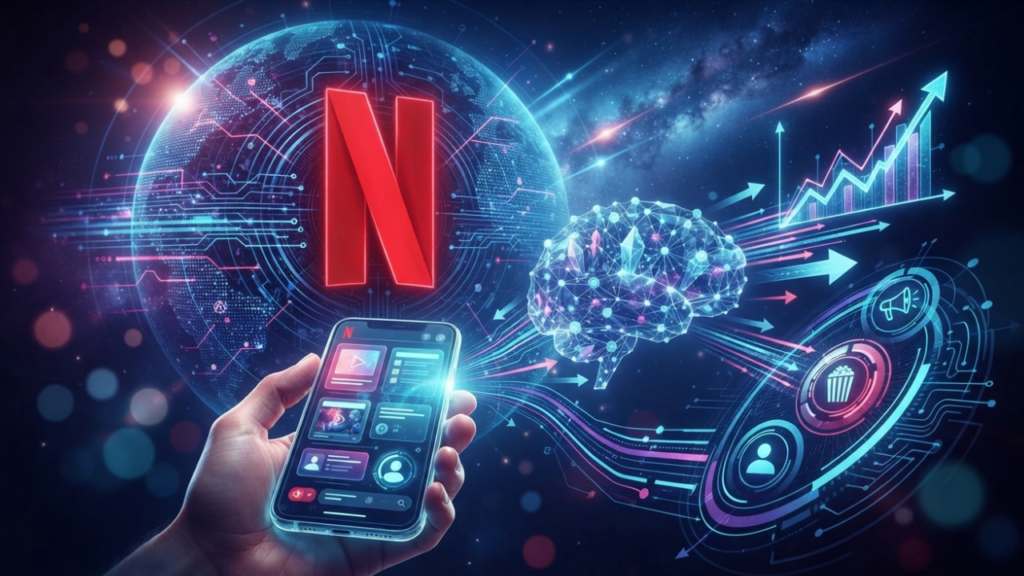
      How Netflix Became the King of Streaming A Marketing, AI and Data-Driven Growth Story 18 Aug
      Case Study / Ashutosh Mishra

      How Netflix Became the King of Streaming: A Marketing, AI and Data-Driven Growth Story

      Netflix’s rise from a DVD-by-mail service to the world’s biggest streaming platform comes down to one thing: it never treated…

      Read More
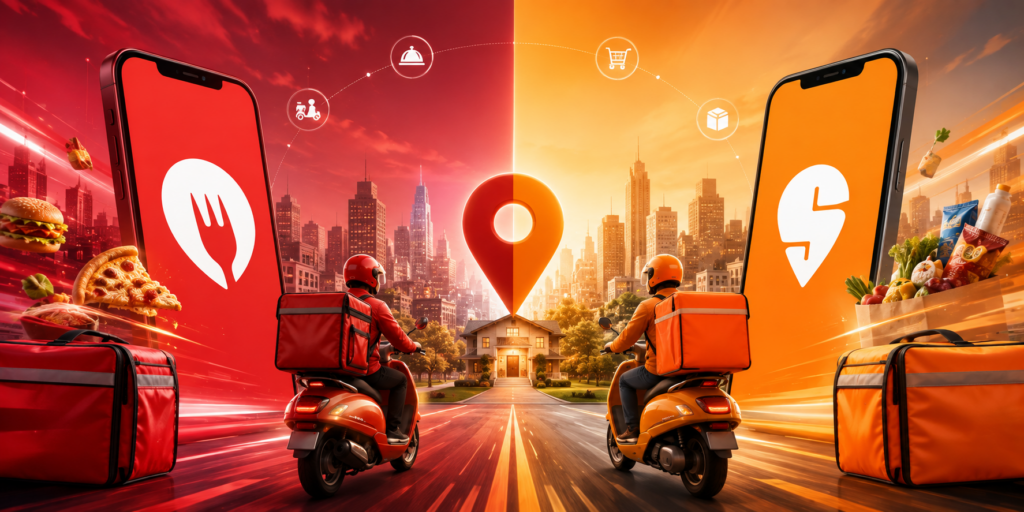
      From App to Doorstep: How Zomato and Swiggy Built India’s Food Delivery Giants Through Marketing, AI & Data-Driven Growth 03 Aug
      Case Study / Ashutosh Mishra

      From App to Doorstep: How Zomato and Swiggy Built India’s Food Delivery Giants Through Marketing, AI & Data-Driven Growth

      Summary This case study explores how Zomato and Swiggy grew from food-ordering apps into two of India’s largest digital convenience…

      Read More
      How NVIDIA Became the World's Most Valuable AI Brand Without Traditional Consumer Marketing 18 Jul
      Case Study / Ashutosh Mishra

      How NVIDIA Became the World’s Most Valuable AI Brand Without Traditional Consumer Marketing: A Complete Marketing Case Study (2026)

      NVIDIA is one of the best examples of how a company can become a global brand without relying on traditional…

      Read More

      Get In touch with us