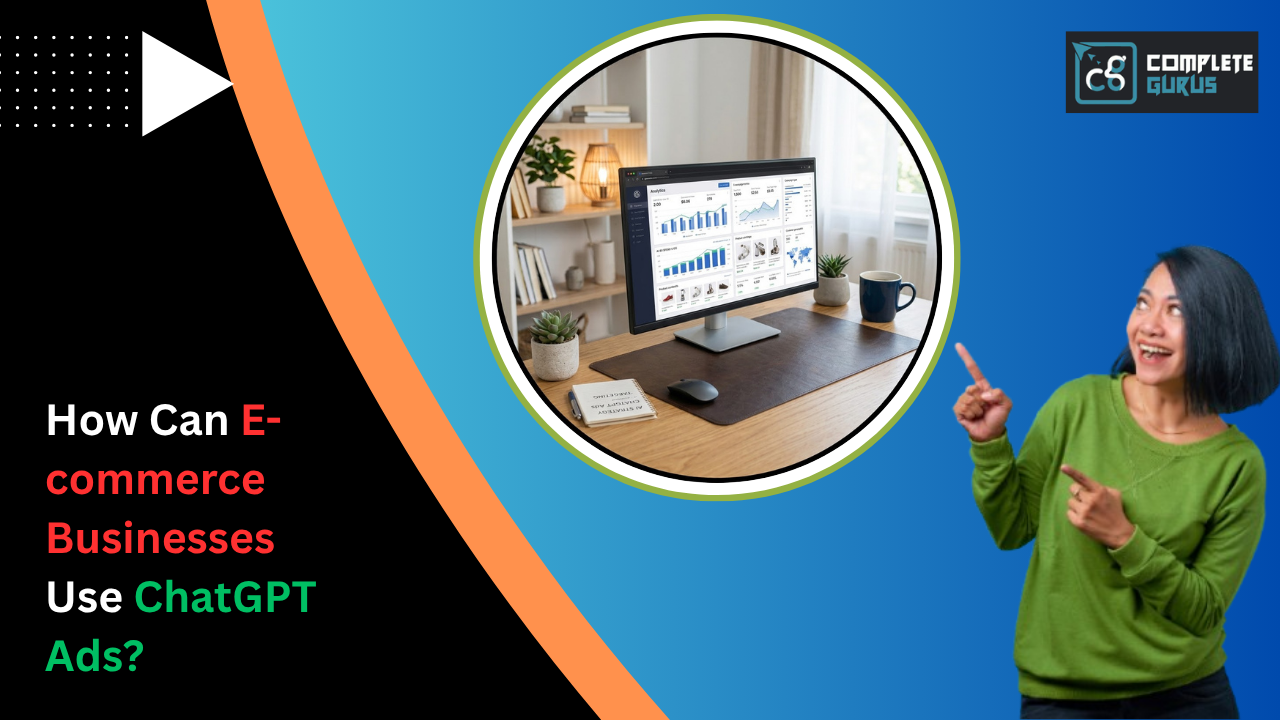
How Can E-commerce Businesses Use ChatGPT Ads?
Quick Summary If you run an online store, you have probably noticed that more of your customers now start shopping by asking a chatbot instead of typing into a search bar. ChatGPT Ads is OpenAI's ans

Every prospective customer starts with a search — “best high-yield savings accounts,” “how to consolidate credit card debt,” “[fintech app] vs [competitor],” “financial advisor near me.” If your finance or fintech business isn’t ranking organically for these searches, a competitor — or a much larger, well-funded platform — is capturing that lead instead.
Search is the starting point for nearly every financial decision. Before someone opens an account, applies for a loan, downloads a fintech app, or hires a financial advisor, they’re almost always searching first — comparing rates, reading reviews, and evaluating trustworthiness.
Finance-related keywords are among the most expensive in digital advertising, making sustainable organic visibility a critical way to reduce long-term acquisition costs.
Finance falls under Google's "Your Money or Your Life" (YMYL) classification, meaning search algorithms scrutinize accuracy, authorship, and trustworthiness far more strictly than for most other industries.
Consumers are far more likely to trust and choose a provider that appears credible and authoritative in organic search results than one they only encountered through an ad.
Fitness and wellness purchases are personal — strong organic presence paired with visible, positive reviews builds the confidence people need to commit.
Finance and fintech businesses face a distinct set of obstacles when trying to build organic visibility — challenges that generic SEO approaches often fail to address
Google applies stricter quality and trust standards to financial content, meaning thin, generic, or unverified pages are far less likely to rank, regardless of keyword targeting.
Financial marketing claims, product descriptions, and disclosures must align with regulatory requirements, limiting how content can be written and structured.
Search interest around entertainment content spikes and drops rapidly, making consistent visibility difficult without proactive planning.
With some of the highest CPCs of any industry, financial businesses face significant pressure to build sustainable organic channels rather than relying solely on expensive paid acquisition.
Fitness and wellness websites often rely on booking widgets, class schedule plugins, and membership portals that can unintentionally block search engines from crawling important content. We address site speed, mobile responsiveness, secure architecture, and technical accessibility, ensuring both search engines and prospective clients can easily find and navigate your site.
We optimize title tags, meta descriptions, headers, and page content around how people actually search for fitness and wellness services — combining location, service type, and goal-based language like "beginner-friendly," "prenatal," or "sports recovery" rather than relying on generic, one-size-fits-all descriptions..
For gyms, studios, and wellness centers, local visibility is often the single biggest driver of new leads. We optimize Google Business Profiles, ensure consistent business information across directories, and target "near me" and locality-based searches that drive walk-ins, trial sign-ups, and bookings.
We build content around your specific offerings — class types, training programs, spa services, and wellness treatments — helping search engines and prospective clients clearly understand what you offer and why it fits their goals.
We implement schema markup relevant to fitness and wellness businesses — including LocalBusiness, ExerciseGym, HealthClub, and Review schema — helping search engines display richer, more accurate information about your business directly in search results.
We implement structured data for your firm's practice areas, attorney profiles, and locations, helping search engines display accurate, rich information directly in search results.
We help firms implement review generation practices that respect confidentiality and bar advertising rules, while still building the reputation signals that influence both rankings and client trust.
We help build relationships with relevant legal directories, local publications, and industry organizations to strengthen your firm's domain authority and local relevance.
Get a free consultation and learn how we optimise every channel for growth
Complete Gurus addresses these finance and fintech-specific challenges with an Organic Optimization approach built around the trust, compliance, and authority requirements the industry demands — not a repurposed generic SEO template.
We assess your current website, technical performance, content, and local listings, alongside a review of how competing firms are performing in your market.
We build a prioritized plan covering listing corrections, technical fixes, content development, and review strategy — tailored to your specific location(s) and market.
Our team executes the roadmap, from Google Business Profile optimization and citation cleanup to website improvements and content creation.
We help put a sustainable review generation and response system in place, ensuring your online reputation actively supports your rankings and customer trust.
You receive clear, regular reporting connecting organic performance to real business outcomes — consultation requests, calls, and case inquiries — not just abstract ranking data.
Costs vary significantly by product category. Competitive categories like personal loans and insurance often see high cost-per-click rates, sometimes among the highest of any industry, while niche fintech products or B2B financial services may be more cost-efficient. Budgets are built around your target cost per qualified lead rather than a fixed number.
Yes. Advertising platforms apply specific policies to financial services advertisers, including certification requirements for certain categories like lending and restrictions on specific claims. Regulatory requirements around disclosures and accurate representation of terms also apply depending on the product and jurisdiction. Campaigns are built with these requirements in mind.
Search campaigns can begin generating clicks and inquiries within days of launch, though lead quality and overall performance typically strengthen over the first 60–90 days as targeting and qualification criteria are refined using real data.
Lead-quality filtering is built into campaign targeting and landing page design, using qualification steps, clear product criteria, and negative keyword management to reduce inquiries that don't meet your basic requirements, such as credit tier, loan amount, or geography.
Yes. While large institutions often have bigger budgets, precisely targeted campaigns around specific products, underserved niches, or unique value propositions can help smaller or newer businesses compete effectively for the right prospects rather than trying to outspend larger competitors broadly.
Yes. B2B financial products, such as business lending or fintech platforms serving other companies, often use different targeting approaches, including platforms like LinkedIn, and account for longer, multi-stakeholder decision processes compared to consumer-focused campaigns.
Where your CRM or loan origination system allows integration, leads can be tracked through to qualified applications and, where data allows, funded business or signed clients, giving a clearer picture of true cost per acquisition rather than just cost per lead.
Campaigns are built with attention to platform-specific financial services advertising policies and general regulatory best practices around disclosures and claims, helping reduce the risk of ad disapprovals, account issues, or broader compliance exposure.
Quick Summary If you run an online store, you have probably noticed that more of your customers now start shopping by asking a chatbot instead of typing into a search bar. ChatGPT Ads is OpenAI's ans

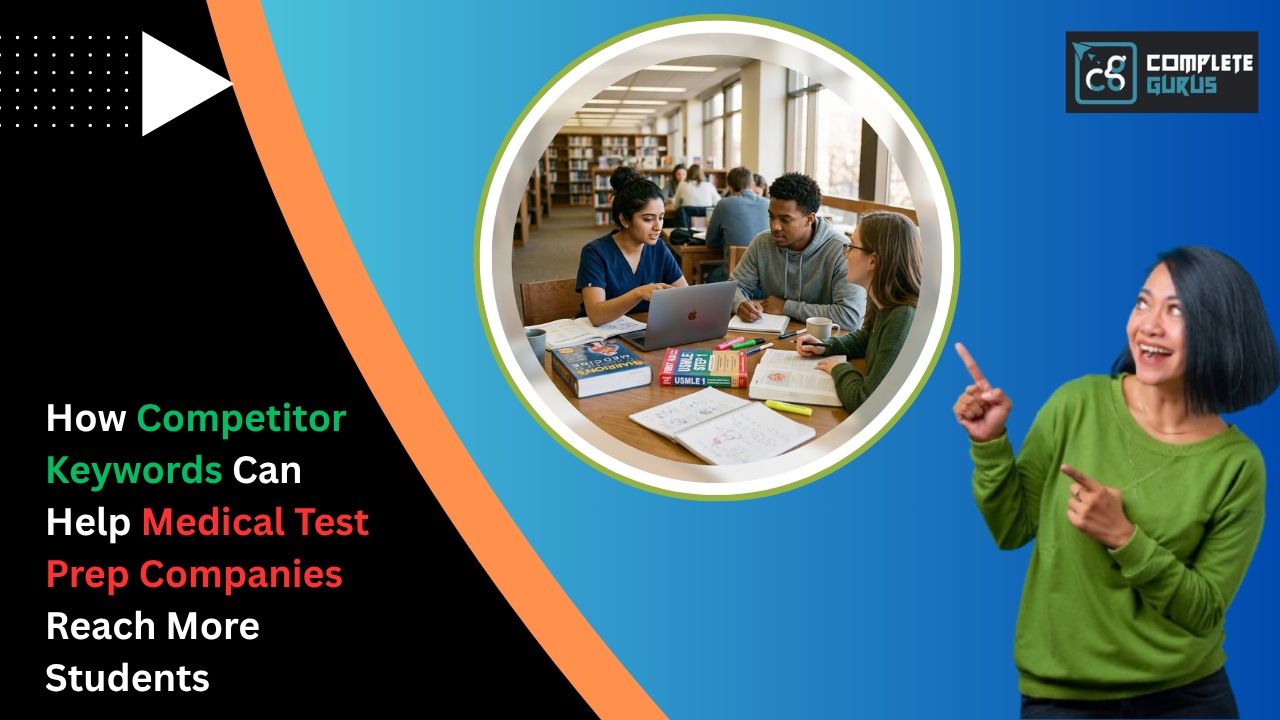
Quick Summary If you run a medical test prep company, your future students are typing questions into Google at this very moment, and some of them are landing on your competitors' pages instead of you
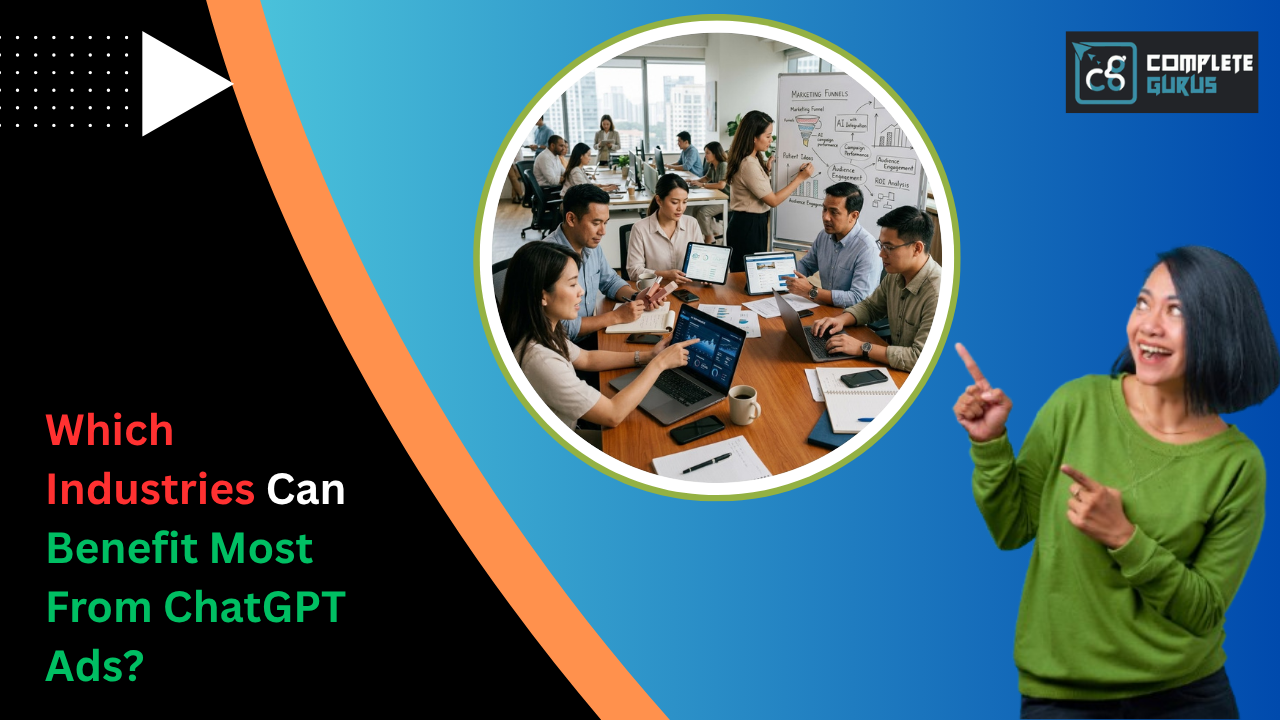
Quick Summary If you've been wondering whether ChatGPT ads are worth your attention, the short answer is that it depends on what you sell and how people decide to buy it. The industries that stand to

05 Oct
Executive Summary: Two Digital-First Jewellery Brands, One Rapidly Changing Market India’s jewellery market has traditionally been built around physical stores,…
Read More

30 Sep
Executive Summary: Walmart Is Moving From Search Bars to AI Conversations Online shopping has followed the same routine for years.…
Read More

19 Sep
Summary: Medical test prep in 2026 is not just about finding a good course. Students need to understand which exam…
Read More