
Quick Summary
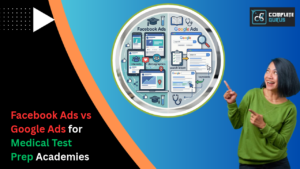
This blog tackles a common question for doctors and clinic owners: whether Facebook Ads or Google Ads is the better channel for patient acquisition. The author frames the core distinction as intent versus discovery — Google Ads captures patients who are actively searching with urgent, decision-ready intent, while Facebook Ads creates awareness among people who aren’t yet looking but can be nurtured toward booking through targeted, story-driven content. The post walks through cost differences, content strategy, local targeting, and the specific scenarios where each platform performs best (e.g., Google for emergency or high-urgency care, Facebook for cosmetic, wellness, and preventive specialties).
Rather than declaring one platform superior, the blog argues that the strongest results come from combining both — using Facebook to build familiarity and trust over time, and Google to capture that same audience the moment they’re ready to act. It closes by emphasizing that ads alone aren’t sufficient; a complete digital strategy (website, SEO, reputation management) matters too, and points readers to Complete Gurus for integrated healthcare marketing support.
There’s a quiet shift happening in how patients choose their doctors. It’s no longer just about referrals, word of mouth, or a clinic’s physical presence in a neighborhood. Today, the journey often begins with a scroll or a search. A late-night symptom check, a quick “doctor near me” query, or even a casual glance at a social media feed can shape decisions that once took days or weeks.
For doctors and clinic owners, this change brings both opportunity and confusion. The digital space is vast, and two giants dominate the advertising landscape Facebook Ads and Google Ads. Each promises patient growth, increased visibility, and measurable returns. But the real question isn’t which platform is better in general. It’s which one is more effective for you, your specialty, and your patients.
Let’s step into this conversation in a grounded, practical way cutting through the jargon and focusing on what truly matters for doctors trying to grow their practice.
Understanding How Patients Think Before Choosing a Doctor
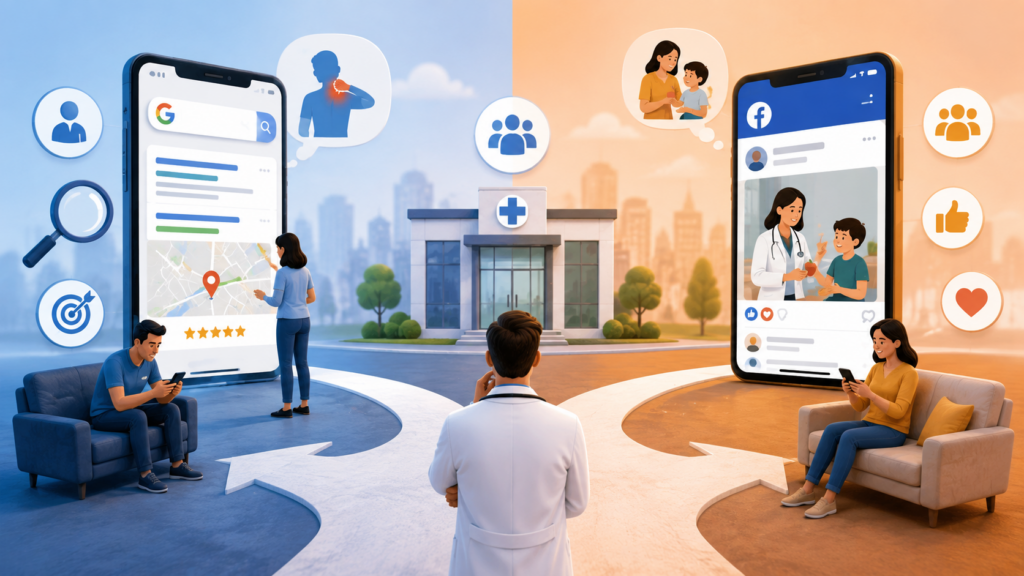
Before comparing platforms, it helps to pause and consider the mindset of a patient. Imagine someone experiencing persistent back pain. They might begin by searching online, typing something specific into Google. That search is intentional, urgent, and focused. They want answers, and possibly, they want them now.
Now imagine another scenario. A young mother scrolling through Facebook sees a post about pediatric nutrition or early signs of developmental delays. She wasn’t actively searching for a doctor, but the content sparks curiosity. It plants a seed. That seed might turn into an appointment days later.
This difference between active intent and passive discovery is the foundation of the Facebook Ads vs Google Ads debate.
Google Ads captures demand. Facebook Ads creates it.
And for doctors, both are powerful in very different ways.
The Nature of Google Ads in Healthcare Marketing
Google Ads operates on a simple yet powerful principle. It shows your clinic to people who are already looking for what you offer. When someone types “best dentist near me” or “orthopedic doctor for knee pain,” they’re not browsing. They’re deciding.
This is where Google Ads shines. It places your clinic at the exact moment a patient is ready to take action. That immediacy is unmatched. The clicks you receive are often from people who are closer to booking an appointment than those on any other platform.
But there’s a nuance here. While the intent is high, competition is equally intense. Every doctor in your area is bidding for those same keywords. Costs can rise quickly, especially in specialties like dermatology, dentistry, and physiotherapy.
Even more importantly, Google Ads doesn’t create awareness. If someone doesn’t know they need your service yet, Google won’t introduce them to you. It waits for the patient to take the first step.
For doctors who rely heavily on urgent care, symptom-based treatments, or immediate consultations, Google Ads often become the backbone of their marketing strategy. It aligns perfectly with patients who are already in decision mode.
The Unique Strength of Facebook Ads for Doctors
Facebook Ads, on the other hand, plays a completely different game. It doesn’t wait for patients to search. It places your clinic in front of them while they’re browsing, relaxing, or engaging with content.
This might seem less effective at first glance. After all, these users aren’t actively looking for a doctor. But that’s exactly where the opportunity lies.
Facebook allows doctors to target people based on demographics, behaviors, interests, and even life events. You can reach new parents, fitness enthusiasts, people interested in skincare, or individuals living within a specific radius of your clinic.
This level of targeting opens doors that Google simply cannot.
A gynecologist can connect with women in a specific age group. A pediatrician can reach parents with young children. A physiotherapist can target individuals interested in fitness or recovery. Instead of waiting for patients to come looking, you’re stepping into their world and introducing your services in a natural, non-intrusive way.
Facebook Ads also excels at storytelling. You can share patient success stories, educational videos, clinic tours, and doctor introductions. These elements build trust long before a patient even considers booking an appointment.
In healthcare, trust is everything. And Facebook is one of the best platforms to nurture it.
Intent vs Discovery: The Core Difference That Changes Everything
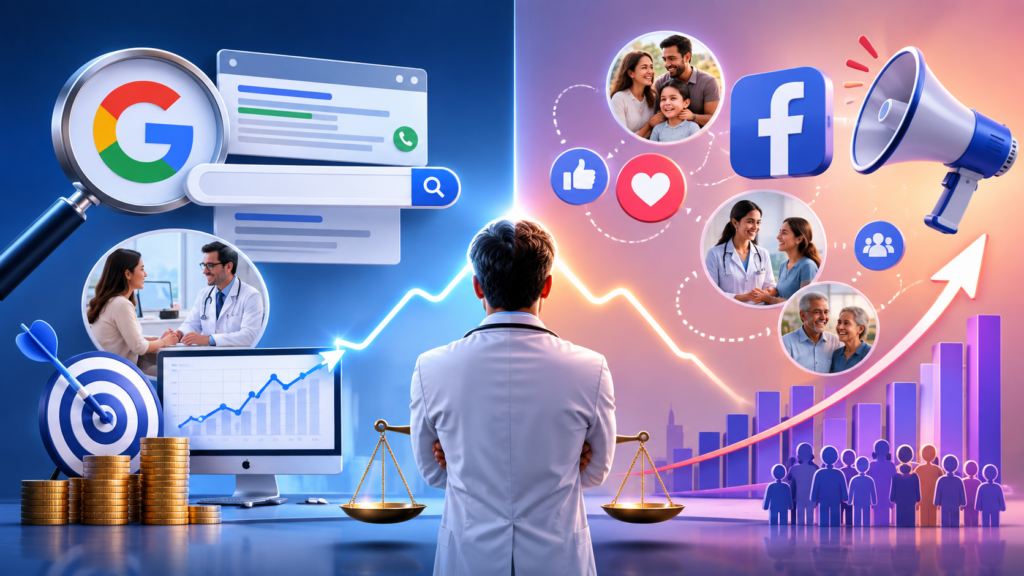
At the heart of this comparison lies a simple but powerful distinction. Google Ads is about intent. Facebook Ads is about discovery.
Intent-driven marketing is straightforward. The patient knows what they want, and your job is to be visible at that exact moment. It’s efficient, direct, and often leads to quicker conversions.
Discovery-driven marketing is more subtle. It introduces your clinic to people who may not even realize they need your services yet. It’s about building awareness, trust, and familiarity over time.
For doctors, the effectiveness of each platform depends on where their potential patients are in this journey.
If your goal is to capture immediate appointments, Google Ads often delivers faster results. If your goal is to build a long-term patient base and brand recognition, Facebook Ads becomes invaluable.
But the real magic happens when both work together.
Cost Considerations and Return on Investment
One of the biggest concerns for doctors stepping into digital marketing is cost. Advertising budgets aren’t unlimited, and every rupee spent needs to justify itself.
Google Ads tends to be more expensive per click, especially in competitive medical niches. However, those clicks often come with higher intent, meaning they’re more likely to convert into appointments.
Facebook Ads, in contrast, usually offer lower costs per click and broader reach. You can expose your clinic to thousands of potential patients without spending heavily. But conversions may take longer, as users are earlier in their decision-making journey.
The key here isn’t just cost, it’s cost efficiency.
A well-optimized Facebook campaign can generate a steady stream of interested patients over time, nurturing them until they’re ready to book. Meanwhile, a focused Google Ads campaign can capture those who are already prepared to take action.
Doctors who understand this balance often achieve better results than those who rely on a single platform.
The Role of Content in Driving Results
Content behaves very differently across these platforms, and this is something many doctors overlook.
On Google Ads, content is minimal and precise. A strong headline, a clear service offering, and a compelling call to action are often enough. The goal is to match the patient’s search intent as closely as possible.
On Facebook, content becomes the entire experience. A well-crafted video explaining a treatment, a post about common health concerns, or a behind-the-scenes glimpse of your clinic can make a significant impact.
Patients don’t just want a doctor. They want reassurance, understanding, and clarity. Facebook gives you the space to provide that in a way that feels human and approachable.
Doctors who invest time in creating meaningful, relatable content often see stronger engagement and better long-term results on this platform.
Building Trust in a Digital-First World
Healthcare decisions are deeply personal. Patients are not just choosing a service; they’re choosing someone they trust with their health.
Google Ads helps you appear when trust is already being sought. Facebook Ads helps you build that trust before it’s even needed.
This distinction matters more than it seems.
A patient who repeatedly sees your clinic’s educational posts, testimonials, and updates on Facebook is far more likely to click on your Google ad when they finally search for a doctor. The familiarity reduces hesitation. The trust accelerates decision-making.
This is why many successful clinics don’t treat these platforms as competitors. They treat them as partners in the same journey.
Local Targeting and Patient Acquisition
For doctors, location is everything. Most patients prefer clinics that are close, accessible, and convenient.
Google Ads uses location-based keywords to connect patients with nearby clinics. When someone searches for “dentist near me,” Google prioritizes local results. This makes it highly effective for capturing nearby patients who are ready to book.
Facebook Ads approaches local targeting differently. It allows you to define a specific geographic radius and target users within that area. But instead of waiting for them to search, it introduces your clinic proactively.
This dual approach can be incredibly powerful. Facebook builds awareness within your local community, while Google captures those who are actively looking for care.
Together, they create a strong local presence that keeps your clinic top of mind.
When Facebook Ads Work Better for Doctors
There are certain situations where Facebook Ads clearly outperform Google Ads for medical practices.
Specialties that rely heavily on awareness and education tend to benefit more from Facebook. Cosmetic procedures, dermatology treatments, wellness services, and preventive care often fall into this category.
Patients in these areas may not actively search for solutions until they’ve been exposed to them. Facebook helps create that awareness and gradually moves them toward action.
It’s also particularly effective for building a brand. Doctors who want to establish themselves as thought leaders, educators, or trusted community figures find Facebook to be a valuable platform.
When Google Ads Take the Lead
Google Ads becomes the stronger choice when urgency and intent are high.
Emergency care, acute conditions, dental pain, injuries, and immediate consultations often drive patients to search engines. In these moments, they’re not browsing, they’re deciding.
Being visible at that exact moment can make all the difference.
Doctors who focus on high-intent services often see quicker returns from Google Ads. The platform aligns perfectly with patients who are ready to act.
The Power of Combining Both Platforms
It’s tempting to frame this as a choice between Facebook Ads or Google Ads. But the most effective strategies rarely rely on just one.
Think of it as a patient journey rather than a single interaction.
A potential patient might first encounter your clinic through a Facebook post. They might engage with your content, follow your page, and gradually build trust. Days or weeks later, when they need medical help, they turn to Google. And when they see your ad, it feels familiar.
That familiarity often becomes the deciding factor.
By using both platforms together, you create a seamless experience that guides patients from awareness to action. You’re not just capturing demand, you’re shaping it.
Beyond Ads: The Importance of a Complete Digital Strategy
Advertising alone isn’t enough. For doctors to truly succeed online, ads need to be part of a larger ecosystem.
Your website must be clear, fast, and informative. Appointment booking should be simple. Reviews and testimonials should be visible. Social media presence should feel authentic and consistent.
Services like search engine optimization, reputation management, and content marketing play a crucial role in supporting your ad campaigns. Without them, even the best ads can fall short.
This is where a holistic approach becomes essential.
Choosing What Works for Your Practice
There’s no universal answer to which platform is more effective. The right choice depends on your specialty, your goals, your audience, and your timeline.
Some doctors need immediate appointments and quick results. Others are focused on building a long-term patient base. Many need a balance of both.
Understanding your priorities is the first step. The next is crafting a strategy that aligns with those priorities.
Suggested Reading: Why Doctors Should Use Facebook Ads for Appointment Bookings
Conclusion: Finding the Right Balance for Sustainable Growth
In the end, the debate between Facebook Ads and Google Ads isn’t about picking a winner. It’s about understanding how each platform fits into your patient acquisition strategy.
Google Ads gives you access to patients who are ready to act. Facebook Ads helps you build relationships with those who will act in the future. One captures intent. The other creates it.
For doctors who want consistent growth, relying on just one platform often limits potential. The real advantage comes from combining both in a way that feels natural, strategic, and aligned with patient behavior.
If navigating this landscape feels overwhelming, that’s completely normal. Digital marketing in healthcare requires not just tools, but insight, experience, and a deep understanding of how patients think and behave online. This is where working with a specialized team can make a meaningful difference. Platforms like https://completegurus.com/ bring together expertise in Facebook Ads, Google Ads, SEO, and patient-focused strategies to help doctors build a strong, sustainable online presence without losing focus on what truly matters, delivering exceptional care.
When the strategy is right, the platforms don’t compete. They complement each other. And that’s where real growth begins.

Ashutosh Mishra is an AI Visibility & Performance Marketing Expert with 14+ years of experience helping businesses grow through AI Visibility (AEO/GEO), Google Ads, Meta Ads, and SEO. He partners with founders and business leaders to build data-driven growth strategies that increase visibility, improve marketing performance, and help businesses get discovered, trusted, and recommended in the age of AI.