
Quick Summary
This blog explains how building a strong personal brand on LinkedIn can generate consistent leads without relying on aggressive selling. It focuses on shifting from simply having a profile to building an authentic presence, finding your own voice, posting consistently, engaging in meaningful conversations and demonstrating expertise through valuable insights. The key idea is that positioning and authority come from showing how you think and solve problems rather than constantly asking people to hire you.
The article also highlights the importance of aligning content, profile and conversations into a clear personal brand, nurturing engagement into relationships and creating a sustainable system for content, audience engagement, profile optimisation and lead generation. Ultimately, the blog concludes that successful LinkedIn personal branding is a long-term investment in visibility, trust, credibility and relationships—helping opportunities and clients come to you naturally.
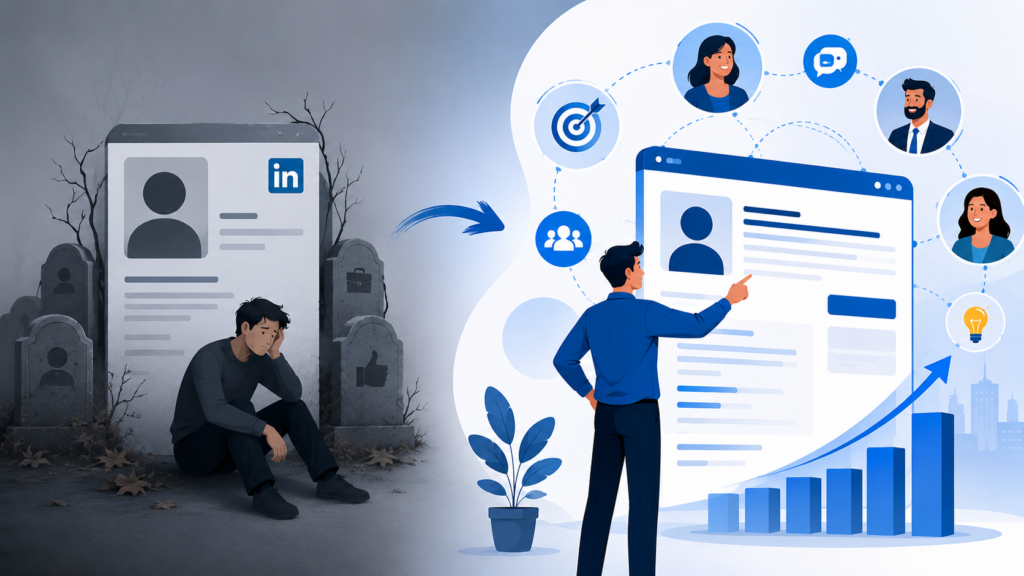
There was a time when LinkedIn felt like a digital resume graveyard to me. You logged in, updated your job title, maybe liked a few posts, and left. Nothing exciting. Nothing profitable. Certainly nothing that could bring in consistent leads.
That changed the moment I stopped treating LinkedIn like a job portal and started seeing it as a living, breathing ecosystem of people, conversations, and opportunities. What followed wasn’t overnight success or viral fame. It was something far more sustainable: a personal brand that quietly started attracting the right people, the right conversations, and eventually, the right clients.
This isn’t a story about hacks or shortcuts. It’s about building something real, something that reflects who you are and what you stand for and how that, in turn, brings business your way.
The Shift From Profile to Presence
At the beginning, my LinkedIn profile was like most others formal, stiff, and overly polished. It looked professional, but it didn’t feel human. And that was the problem.
People don’t connect with perfection. They connect with clarity and authenticity.
So I made a deliberate shift. Instead of asking, “Does my profile look impressive?” I started asking, “Does my profile sound like me?”
I rewrote everything from the headline to the summary using natural language. I spoke directly to the kind of people I wanted to work with. I made it less about my achievements and more about the problems I could solve.
That small change did something powerful. It turned my profile into a conversation starter instead of a static document.
Finding My Voice in a Noisy Feed
LinkedIn can feel overwhelming. Everyone is posting, everyone is sharing, and it’s easy to feel like your voice will get lost.
At first, I tried to mimic what others were doing. Motivational posts. Industry tips. Trending formats. Some worked, most didn’t.
The turning point came when I stopped trying to sound like “LinkedIn” and started sounding like myself.
I wrote about my experiences, what worked, what failed, what I learned. I shared stories instead of just advice. I allowed a bit of imperfection to show through.
And slowly, something shifted.
People started engaging. Not just liking, but commenting. Not just commenting, but messaging.
Because real stories invite real conversations.
Consistency Over Virality
There’s a temptation to chase viral posts. One big post, thousands of likes, and suddenly you feel like you’ve made it.
But virality is unpredictable. Consistency is not.
Instead of aiming for viral hits, I focused on showing up regularly. Not perfectly, not daily at first, but consistently enough that people began to recognize my name in their feed.
Some posts performed well, others didn’t. But each one added a small layer to my brand.
Over time, those layers built something solid.
People began to associate my name with certain ideas, certain expertise, certain perspectives. And that’s when personal branding starts to work in your favor even when you’re not actively posting.
Turning Content Into Conversations
Posting content is only half the game. The real magic happens in the conversations that follow.
Whenever someone commented, I replied. Not with generic responses, but with genuine engagement. If someone shared their thoughts, I built on them. If they asked a question, I answered thoughtfully.
Then came the direct messages.
At first, I was hesitant. I didn’t want to sound salesy or pushy. But I realized something important: people who reach out are already interested.
So I treated every conversation as just that.
No scripts. No pitches. Just understanding what the other person needed and seeing if I could help.
That approach built trust. And trust, more than anything else, drives leads.
Positioning Without Selling
One of the biggest mistakes I made early on was thinking I needed to “sell” my services in every post.
It didn’t work.
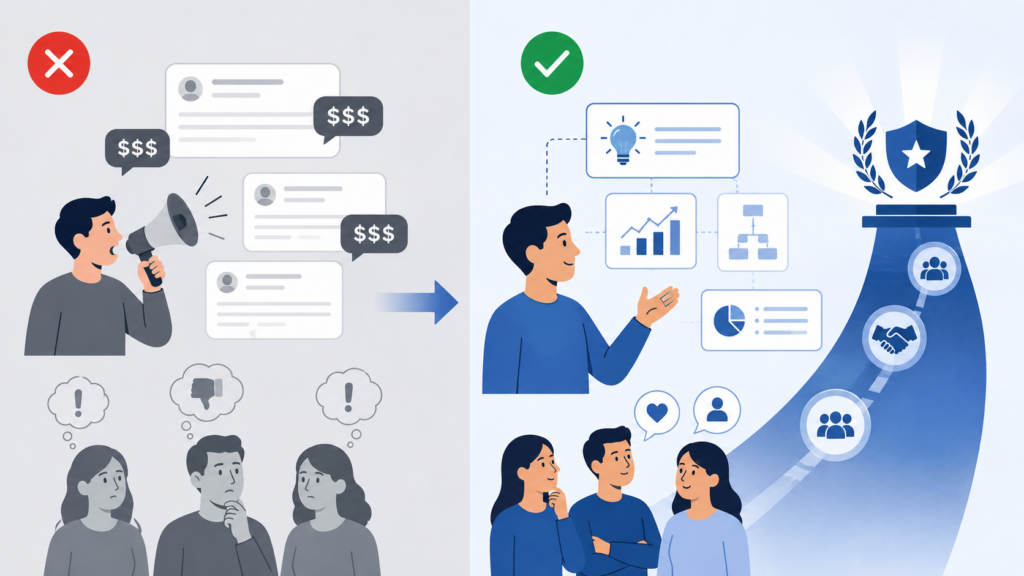
People don’t come to LinkedIn to be sold to. They come to learn, connect, and explore.
So I shifted my strategy.
Instead of selling, I started positioning.
I shared insights from my work. I talked about challenges my clients faced and how we approached them. I broke down processes in a way that was easy to understand.
Without directly saying “hire me,” I was showing exactly how I could help.
And that made all the difference.
Building Authority Through Value
Authority isn’t something you claim. It’s something you demonstrate.
Every time you share a thoughtful perspective, every time you simplify a complex idea, every time you help someone understand something better you build authority.
I focused on creating content that genuinely helped my audience.
Not surface-level tips, but deeper insights. Not recycled advice, but lived experiences.
This required more effort, but it paid off.
People began to see me not just as another voice on LinkedIn, but as someone worth listening to.
The Role of Strategy Behind the Scenes
While everything looked organic on the surface, there was a quiet strategy running in the background.
I paid attention to what resonated. Which posts sparked conversations. Which topics led to messages.
I refined my content accordingly.
I also made sure my profile aligned with my content. If someone visited my profile after reading a post, everything they saw reinforced the same message.
This alignment is crucial.
Because when your content, profile, and conversations all tell the same story, your brand becomes clear and clarity attracts the right people.
From Engagement to Leads
The first few leads didn’t come from big posts. They came from small, meaningful interactions.
A comment here. A message there.
Someone would say, “I’ve been seeing your posts for a while,” or “Your content really helped me understand this better.”
And then, naturally, the conversation would turn towards their needs.
There was no hard sell. No pressure.
Just a logical next step.
Over time, these small interactions turned into a steady stream of inquiries.
And that’s when I realized something important: leads on LinkedIn aren’t generated, they’re nurtured.
Understanding What Clients Actually Want
Through all these conversations, one thing became clear.
Clients don’t just want services. They want clarity, confidence, and results.
They want to know that you understand their challenges. That you have a process. That you can deliver.
So I made sure my content addressed these needs.
I didn’t just talk about what I do. I showed how I think.
I didn’t just highlight results. I explained the journey.
This transparency builds confidence and confidence converts.
The Power of Personal Branding in Business Growth
As my personal brand grew, something interesting happened.
Opportunities started coming to me.
Collaborations, partnerships, speaking invitations, and of course, clients.
Not because I was aggressively pursuing them, but because my presence made it easy for people to find and trust me.
That’s the real power of personal branding.
It works for you even when you’re not actively working for it.
How Complete Gurus Fits Into This Journey
While building a personal brand can start as an individual effort, scaling it requires the right support, tools, and expertise.
This is where professional guidance becomes invaluable.
Services like LinkedIn profile optimization, content strategy development, lead generation systems, and digital branding solutions can accelerate the entire process.
Working with a team that understands both the technical and human side of branding can help bridge the gap between effort and results.
Creating a Sustainable System, Not Just Content
One of the biggest lessons I learned is that personal branding isn’t about random posts, it’s about building a system.
A system that includes content creation, audience engagement, profile optimization, and lead nurturing.
When these elements work together, the results become predictable.
You’re not just hoping for leads. You’re creating an environment where leads naturally emerge.

Overcoming Self-Doubt and Staying Visible
There were moments when I questioned everything.
Was my content good enough? Was anyone really paying attention? Was it worth the effort?
These doubts are part of the journey.
But I realized that visibility is a choice.
Every time you show up, you’re giving yourself a chance to be seen, heard, and remembered.
And over time, those small acts of visibility compound into something powerful.
What I Would Do Differently If I Started Again
Looking back, I would focus less on perfection and more on progress.
I would start posting earlier, even if it wasn’t perfect.
I would engage more, connect more, and overthink less.
Because personal branding isn’t about getting everything right it’s about staying in the game long enough to figure it out.
Suggested Reading: Why LinkedIn Ads Work Better for Business Services
Conclusion: Turning Effort Into Opportunity
Building a personal brand on LinkedIn isn’t a quick win. It’s a long-term investment.
But it’s one of the most rewarding ones you can make.
Because it doesn’t just bring leads it builds relationships, credibility, and opportunities that extend far beyond a single platform.
If you’re serious about growing your presence, attracting the right audience, and turning your expertise into consistent business, having the right guidance can make all the difference. That’s where platforms like https://completegurus.com/ come into play, offering tailored digital marketing, branding, and lead generation solutions that help transform your LinkedIn efforts into measurable results.
In the end, it’s not about chasing leads. It’s about becoming someone worth reaching out to.

Ashutosh Mishra is an AI Visibility & Performance Marketing Expert with 14+ years of experience helping businesses grow through AI Visibility (AEO/GEO), Google Ads, Meta Ads, and SEO. He partners with founders and business leaders to build data-driven growth strategies that increase visibility, improve marketing performance, and help businesses get discovered, trusted, and recommended in the age of AI.